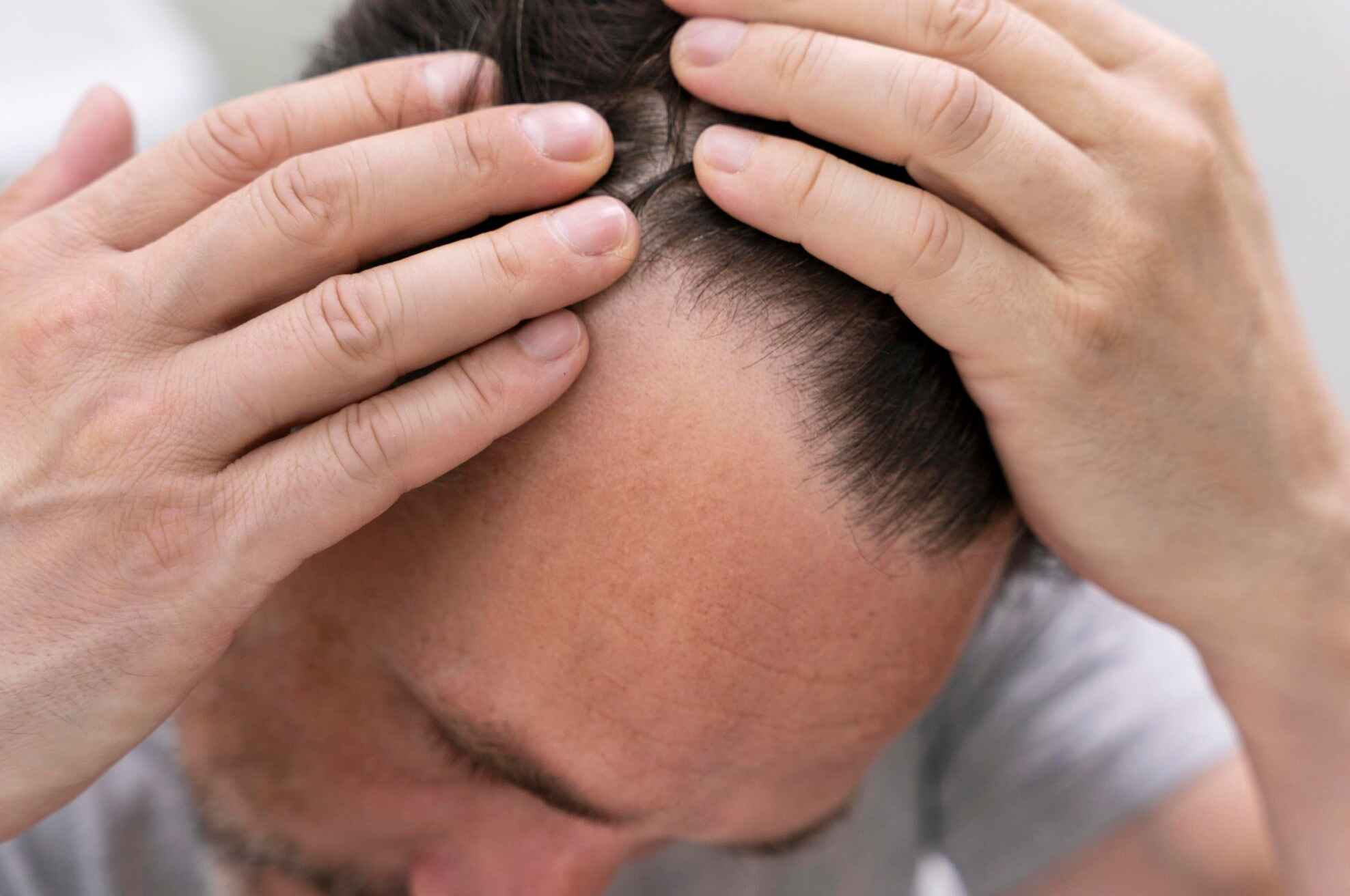
Hair loss is one of the most common concerns men face as they age, and it often starts earlier than expected. Some men notice thinning hair as early as their twenties, while others notice signs later in life. Regardless of when it starts, hair loss in men is usually progressive, meaning it tends to worsen over time without intervention. As many as 80 percent of men will experience significant hair loss during their lifetime. (1)
The good news is that early action can make a meaningful difference when it comes to hair loss. While no solution can guarantee a permanent full head of hair, many strategies can help slow hair loss, preserve existing hair, and in some cases support regrowth. When it comes to preventing hair loss in men, focusing on understanding the underlying cause, setting realistic expectations, and choosing an evidence-based approach that fits your health profile will drastically increase your chances of success.
In this guide, we’ll walk through why hair loss occurs, what can and cannot be prevented in hair loss, and how medical and lifestyle strategies can help protect your hair over the long term.
Why Do Men Lose Hair?
Hair loss does not happen for just one reason. In most men, it is the result of several overlapping factors that affect the hair growth cycle and follicle health.
Genetics
Genetics is the most well known cause. Male pattern baldness, also called androgenetic alopecia, is inherited and driven by a sensitivity of hair follicles to dihydrotestosterone, or DHT. Over time, DHT causes follicles to shrink, leading to thinner, shorter hairs and eventually stopping growth altogether. (2)
Hormonal Changes
Hormonal changes also play a role in hair loss. Testosterone levels, DHT activity, thyroid hormones, and cortisol can all influence hair growth. (3) Hormonal imbalances may accelerate shedding or prevent healthy regrowth, especially when combined with genetics.
Aging
Aging also naturally affects hair. As men get older, hair growth slows, follicles spend more time in the resting phase, and strands may become finer. Even men without significant genetic hair loss often notice reduced density over time.
Stress and Illness
High stress levels can trigger temporary hair shedding known as telogen effluvium. (4) Additionally, medical conditions or procedures such as surgery, certain infections, or significant weight changes can also lead to telogen effluvium, causing noticeable thinning after a period of time, typically several months.
Nutritional Deficiencies and Medical Conditions
Hair follicles are metabolically active and require adequate protein, iron, zinc, biotin, and other micronutrients. Nutritional deficiencies can weaken hair overall and slow regrowth.
Medical conditions such as thyroid disorders, autoimmune diseases, and scalp infections can also contribute to hair loss. (5) In these cases, treating the underlying condition is essential for improving hair health.
Can Hair Loss in Men Be Prevented?
Men often ask their physicians if hair loss can be completely prevented or reversed. The truthful answer is that full prevention is not possible in every situation, especially when genetics are the primary factor.
However, even if treatment only yields partial results, it can still help slow down hair loss and preserve as much existing hair as possible while supporting regrowth where follicles are still active. Many men who take early action maintain a fuller appearance for years longer than they would have otherwise, even if they may still eventually lose their hair.
When it comes to treating hair loss, timing is critical. Hair follicles that have been inactive for a long period are difficult to revive, which is why addressing hair loss early leads to better outcomes. (6) Understanding your specific pattern, rate of loss, and contributing factors allows for a more effective plan.
A realistic prevention strategy focuses on consistency and long-term management rather than quick fixes or hoping for a miracle cure for dead follicles.
Lifestyle Changes That Support Hair Health
Lifestyle factors may not fully override genetics, but they can play a meaningful role in overall hair health and resilience. Supporting your body helps create the best possible environment for hair follicles to function. Here are some ways you may be able to slow down hair loss.
- Balanced nutrition that includes adequate protein, healthy fats, vitamins, and minerals supports the hair growth cycle and follicle strength.
- Stress management through exercise, mindfulness, and proper rest to reduce stress- related shedding.
- Avoiding smoking to improve circulation and enhance oxygen delivery to hair follicles.
- Gentle hair-care habits such as avoiding excessive heat, harsh chemicals, and tight hairstyles reduce unnecessary breakage and traction. (7)
In addition to potential positive outcomes on your hair, these healthy habits can also support hormone balance, cardiovascular health, and your overall energy and vitality levels.
Medical and Clinical Hair Loss Prevention Options
When lifestyle changes are not enough, medical and clinical treatments can help address the biological drivers of hair loss. These options are most effective when used under medical guidance and tailored to individual needs.
- Prescription treatments may help reduce DHT activity or support hair regrowth in men with androgenetic alopecia.
- Topical solutions such as minoxidil (Rogaine) may improve blood flow to the scalp and stimulate follicles in early to moderate hair loss. (8)
- Hormone evaluation may be appropriate if low testosterone, thyroid imbalance, or other hormonal issues are suspected.
- Nutrient testing can identify deficiencies that may be contributing to thinning or shedding.
Regardless of your treatment, it’s important to manage realistic expectations and not expect miracle results. Treatments work best as part of a long-term plan between you and your physician, and consistency is key. Even when the right strategy is taken, results often take several months to become noticeable.
PRP for Hair Loss: How It Works
Platelet-Rich Plasma, commonly known as PRP, has become a popular option for men looking to support hair restoration without surgery or daily medications. PRP uses the body’s own healing mechanisms to promote healthier follicles. Some studies have shown PRP can increase hair density by as much as 30 to 40%. (9)
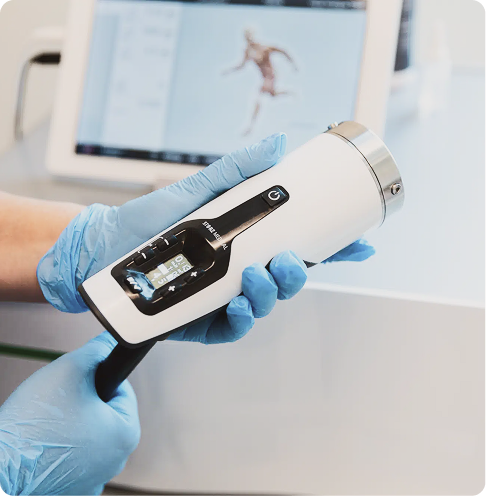
The process begins with a small blood draw. The blood is processed to concentrate platelets and growth factors, which are then injected into targeted areas of the scalp. These growth factors may help strengthen existing hair follicles, improve blood supply, and encourage dormant follicles to re-enter the growth phase.
PRP is minimally invasive and performed in-office. Most men tolerate the procedure well, and recovery time is minimal. This treatment is often used for early to moderate hair loss, where follicles are still present but weakening.
Rather than being a standalone cure, PRP is typically part of a comprehensive hair restoration plan. It may be combined with lifestyle changes, topical treatments, or medical therapies to support better outcomes over time.
At Gameday Men’s Health, PRP for hair loss is offered as a natural, non-surgical treatment option designed specifically for men experiencing early to moderate thinning or receding.
When to Seek Professional Help
Many men wait until it’s too late when addressing hair loss. This can lead to relying on unproven solutions or simply hoping it will stabilize on its own. Knowing when to seek professional guidance and start treatment can make a substantial difference. Here are some key factors to look out for:
- Hair loss appears to be accelerating or spreading beyond a typical pattern.
- Thinning is accompanied by fatigue, weight changes, or other symptoms that may indicate a hormonal or medical issue.
- Over-the-counter products have not produced results after several months of consistent use.
- You want a clear diagnosis and evidence-based treatment options rather than relying on trial and error.
A professional evaluation helps identify the root cause of hair loss and rules out conditions that require medical treatment. It also helps prevent wasted time and money on ineffective or unsafe products.
How Gameday Men’s Health Supports Hair Loss Prevention
At Gameday Men’s Health, we approach hair loss prevention with transparency and individualized care. Our primary focus is treating qualified patients with PRP restoration for hair loss to help stimulate follicles. Gameday can also provide solutions for hormonal imbalance that may be affecting hair loss such as Testosterone Replacement Therapy (TRT).
At Gameday, we pride ourselves on finding the best solution for your specific health needs, including hair loss. We recognize the need for individualized plans and don’t rely on one-size-fits-all treatments.
Our professional staff is dedicated to providing a comfortable space for men to freely discuss concerns and expectations regarding both their hair restoration and overall health goals. We provide ongoing monitoring, lifestyle strategies, and treatment recommendations based on each patient’s unique needs.
At Gameday, our emphasis is on successful long-term outcomes rather than making guarantees or exaggerated claims. By addressing hair loss early and comprehensively, many men are able to maintain healthier, fuller hair well into their later years.
Key Takeaways
Hair loss is common in men and usually progresses over time, which is why early awareness and action are important. While not all hair loss can be fully prevented, many men can slow thinning and preserve existing hair by understanding the underlying causes and setting realistic expectations.
Genetics, hormones, aging, lifestyle factors, and overall health all influence hair loss. Addressing these factors through healthy lifestyle habits, appropriate medical evaluation, and evidence-based treatments like PRP can create the best possible conditions for maintaining hair and supporting regrowth where follicles are still active.
If you have more questions about hair loss, or if your hair loss is being accompanied by other symptoms that may indicate a hormonal imbalance, contact your local Gameday Men’s Health location today to schedule a consultation.