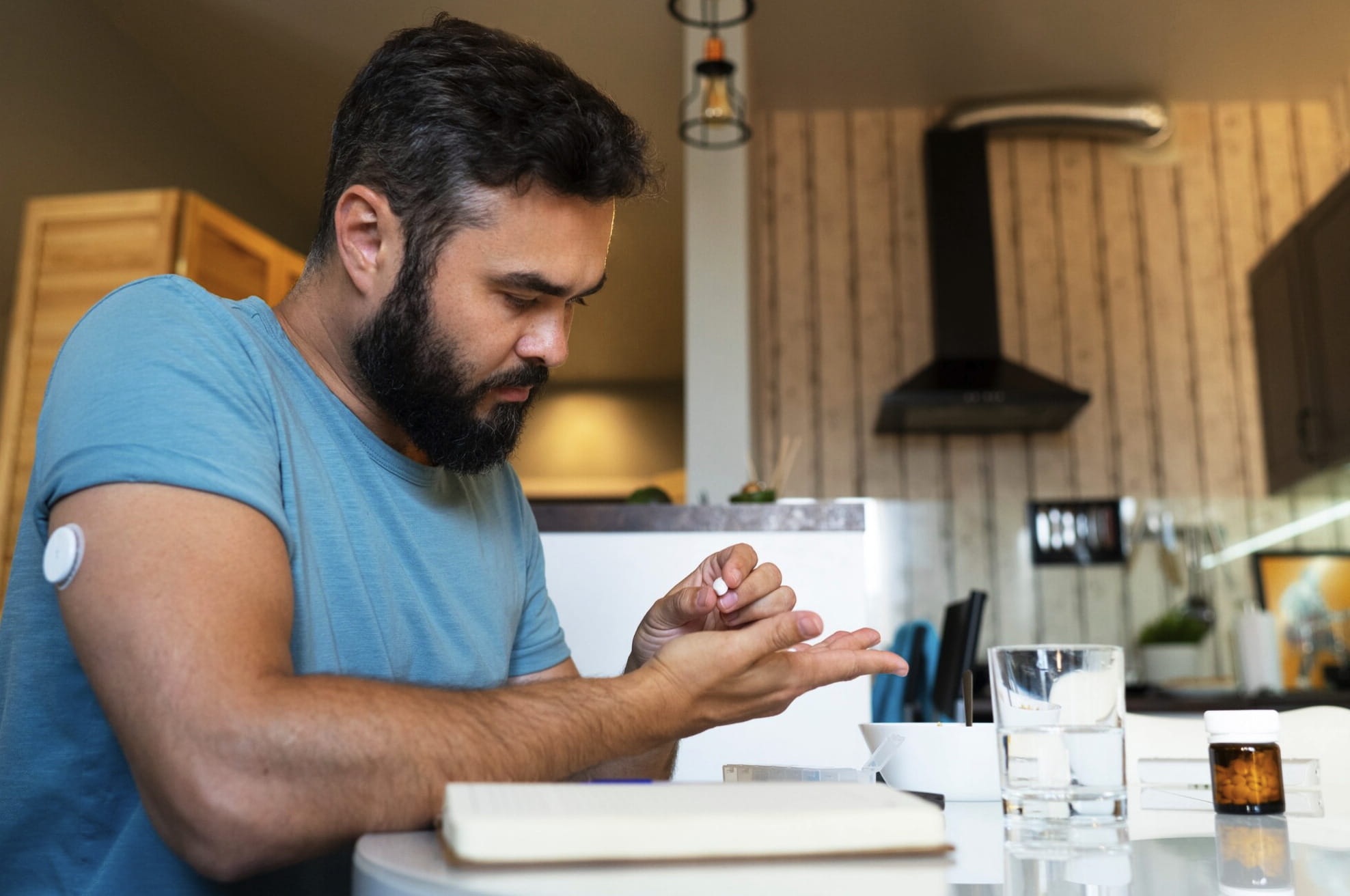
Erectile dysfunction can be a frustrating sensitive issue for many men. While there can be many causes of ED, including aging, stress, or cardiovascular disease, diabetes is one of the most significant and overlooked contributors.
As many as one in nine people worldwide suffer from diabetes, and many men may not realize their diabetes diagnosis is affecting their sexual health. (1) For some, erectile dysfunction may even be one of the earliest warning signs that blood sugar levels are not well controlled.
Understanding the connection between diabetes and erectile dysfunction is critical because the condition is often preventable, manageable, and in some cases reversible. When addressed early, men can improve not only their sexual performance but also their long-term health, energy levels, and quality of life.
In this guide, we’ll break down how diabetes affects erections, how common diabetic erectile dysfunction really is, and what steps men can take to protect and restore sexual function.
How Diabetes Affects Erectile Function
An erection is the result of a complex interaction between blood vessels, nerves, hormones, and psychological signals. Diabetes can disrupt each part of this process, which explains why erectile dysfunction is so common among men with both type 1 and type 2 diabetes.
Damage to blood vessels
Healthy erections rely on strong blood flow into the penile tissue. Chronically elevated blood sugar damages the lining of blood vessels throughout the body, including the small arteries that supply the penis. Over time, these vessels become narrower and less flexible, making it harder for enough blood to flow in and create a firm erection. (2)
This vascular damage is similar to what causes heart disease and stroke. This connection is why ED in men with diabetes can often be considered an early marker of broader cardiovascular problems.
Nerve impairment
Diabetes can also cause diabetic neuropathy, a form of nerve damage that affects sensation and signaling. The nerves involved in sexual arousal send messages from the brain to the penis to initiate an erection. When these nerves are damaged, those signals may be weaker, delayed, or blocked altogether. (3)
Some men with diabetes may notice reduced penile sensation, difficulty becoming aroused, or trouble maintaining an erection due to impaired nerve function.
Reduced nitric oxide production
Nitric oxide is a key chemical messenger that allows blood vessels in the penis to relax and fill with blood during sexual stimulation. Diabetes interferes with nitric oxide production and availability. Without enough nitric oxide, the smooth muscle in the penile arteries cannot relax properly, limiting blood flow and erection quality. (4)
This mechanism is one reason why oral erectile dysfunction medications like Viagra and Cialis (sildenafil and tadalafil), which work by enhancing nitric oxide pathways, may be less effective in men with poorly controlled diabetes.
Hormonal changes
Men with diabetes are more likely to have low testosterone levels, especially if they also struggle with obesity or insulin resistance. (5) Testosterone plays an important role in libido, energy, mood, and erectile function. Low T levels can reduce sexual desire and make erections more difficult to achieve or sustain.
Additionally, hormonal imbalances can worsen insulin resistance, creating a vicious cycle where diabetes and low testosterone reinforce each other.
How Common Is ED in Men with Diabetes?
Erectile dysfunction is significantly more common in men with diabetes than in those without it. Research consistently shows that diabetic men are several times more likely to experience erectile difficulties at some point in their lives. (6)
Men with diabetes also develop erectile dysfunction earlier in many cases. While ED in non-diabetic men often becomes more prevalent later in life, ED in diabetic men can appear as early as the thirties or forties, and sometimes even sooner if blood sugar control hasn’t been well regulated. Research shows that men with diabetes develop ED 10-15 years earlier than those without the diagnosis. (7)
Severity often increases over time. As diabetes progresses and vascular and nerve damage accumulate, erections may become weaker, less reliable, or absent altogether. This progression underscores the importance of early awareness and management.
Several factors influence how likely a man with diabetes is to develop erectile dysfunction:
- Duration of diabetes, with longer disease duration carrying higher risk
- Level of blood sugar control over time
- Presence of complications such as neuropathy, kidney disease, or cardiovascular disease
- Lifestyle factors like smoking, inactivity, and excess weight
While these factors can be discouraging for some, they also highlight areas where intervention can make a meaningful difference for diabetic men taking back control over their sexual health.
Can Diabetic Erectile Dysfunction Be Reversed?
Whether diabetic erectile dysfunction can be reversed depends on several factors. These include how long the ED has been present and how much underlying damage has already occurred. In early or mild cases, improvements are often possible with better metabolic control and targeted treatment.
Blood sugar control is one of the most important factors. Studies show that men who improve their glucose management can see improvements in erectile function, especially if nerve and blood vessel damage is not yet severe. Better control reduces ongoing damage and allows the body to recover some normal function. (8)
Early intervention is critical. When erectile dysfunction is addressed soon after symptoms begin, treatment tends to be more effective. Ignoring the problem for months or years, hoping it goes away on its own, can allow irreversible vascular and nerve damage to develop, making recovery more difficult.
However, even when full reversal is not possible, most men can still achieve satisfying sexual function with appropriate medical care from a trusted provider, such as Gameday Men’s Health. If ED has been long-standing, the goal shifts from full reversal to optimization, maximizing erectile quality, and improving overall health.
Managing Diabetes to Improve Erectile Health
Managing diabetes effectively is one of the best ways to protect erectile function and improve treatment outcomes. While medications play an important role, lifestyle and daily habits can have a powerful impact on both blood sugar and sexual health.
Consistently keeping glucose levels within target ranges helps prevent further damage to blood vessels and nerves. This includes taking all prescribed medications, monitoring blood sugar regularly, and attending routine medical follow-ups with your provider.
Diet and exercise are equally important. A balanced eating pattern that emphasizes lean protein, vegetables, healthy fats, and controlled carbohydrate intake can stabilize blood sugar and support vascular health. Regular physical activity can also improve insulin sensitivity, circulation, and testosterone levels.
Physical activity can also have a positive impact on weight management, which also plays a key role. Excess body fat, especially around the abdomen, worsens insulin resistance and lowers testosterone. Even modest weight loss can lead to meaningful improvements in both glycemic control and erectile function in many cases.
Sleep and stress reduction are often overlooked factors, but are also extremely important. Poor sleep may increase insulin resistance and disrupt hormones that influence libido and erections. (9) Chronic stress, meanwhile, raises cortisol levels, which can impair testosterone production and blood flow.
Medical Treatments for ED in Men with Diabetes
When lifestyle changes alone are not enough to improve erectile dysfunction, certain medical treatments can be highly effective, depending on the patient. A comprehensive approach that considers diabetes, hormones, and vascular health routinely offers the best results.
Oral erectile dysfunction medications
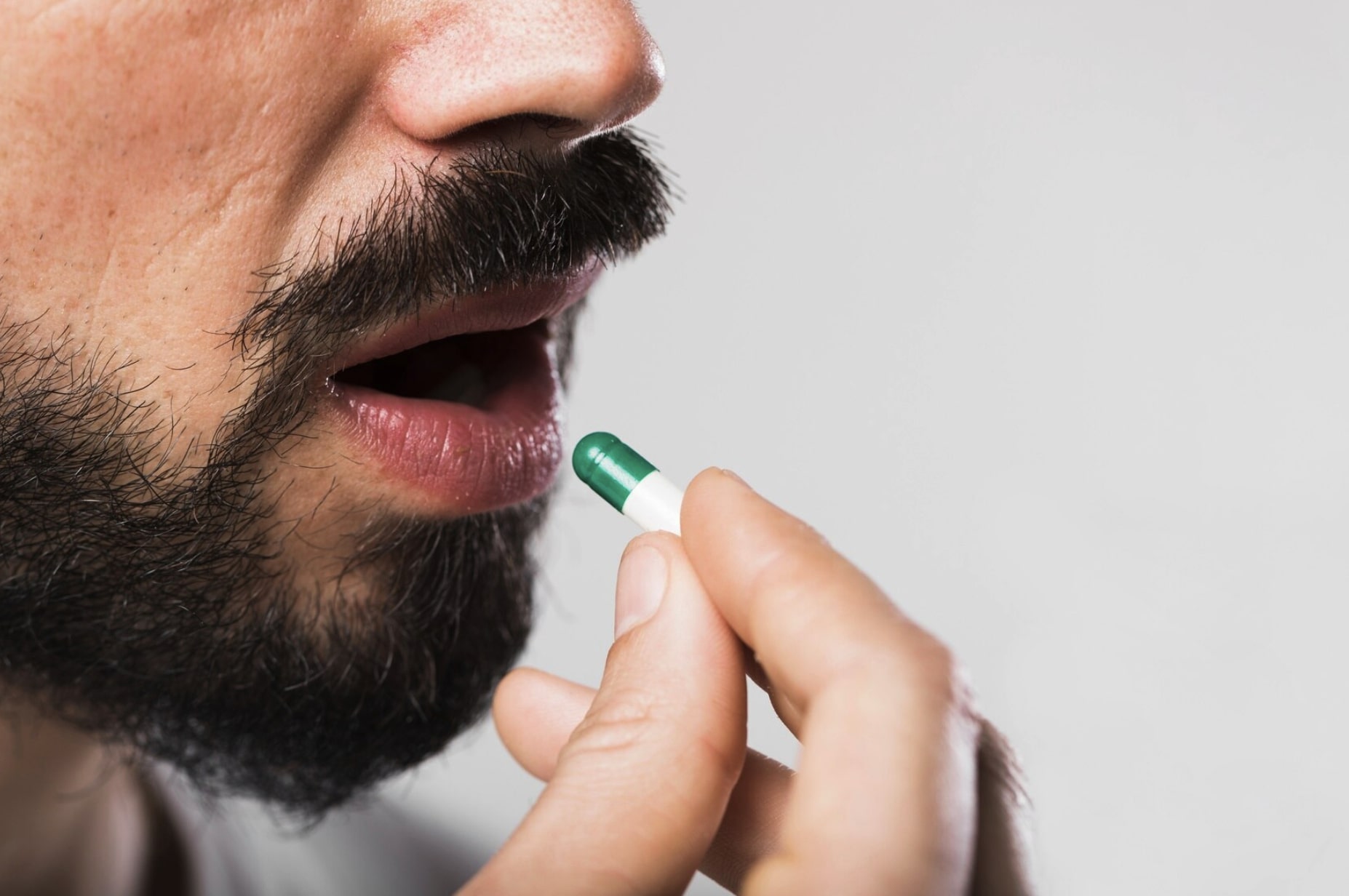
Phosphodiesterase type 5 inhibitors (like Viagra and Cialis) are commonly used as first-line therapy. These medications enhance blood flow to the penis during sexual stimulation. Men with diabetes may still respond well, although higher doses or different formulations may be needed compared to non-diabetic men.
Effectiveness of PDE5 inhibitors improves when blood sugar is well controlled and cardiovascular health is properly addressed.
Testosterone evaluation
Because low testosterone is more common in men with diabetes, hormone testing is an important part of evaluation. If deficiency is identified and treated appropriately, men may experience improvements in libido, energy, mood, and erectile quality.
Testosterone replacement therapy (TRT) may be a solution. In some instances, studies have shown that TRT can significantly improve symptoms associated with diabetes, which can include ED. (10)
Injectable therapies
For men who do not respond to oral medications, injectable therapies can provide reliable erections by directly relaxing penile blood vessels. These treatments bypass some of the pathways affected by diabetes and can be effective even in cases of significant vascular damage.
Advanced options
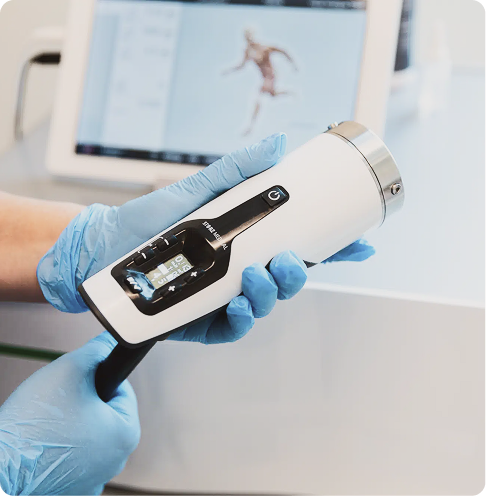
In more severe cases, additional therapies such as vacuum erection devices (VEDs) or surgical implants may be considered. (2) These options are typically reserved for men who do not respond to less invasive treatments and should be discussed thoroughly with a qualified provider.
Erectile dysfunction treatment, both for diabetic and non-diabetic men, should not exist in isolation. Addressing underlying metabolic health can improve safety and effectiveness of treatments, and also have a positive impact on other aspects of your overall health.
When to Talk to a Healthcare Provider
Many men often delay seeking help for erectile dysfunction, hoping the problem will resolve on its own. This approach can lead to potentially reversible issues becoming permanent, or much more difficult to change, particularly for men with diabetes.
It is time to talk to a healthcare provider if erectile dysfunction persists for several months, occurs consistently, or worsens over time. ED can be an early sign of poorly controlled diabetes or developing cardiovascular disease, making evaluation important even beyond concerns about performance in the bedroom.
Other reasons to seek care include noticeable changes in energy, libido, mood, or body composition, which may suggest hormonal imbalances. Comprehensive lab testing can reveal issues with blood sugar, testosterone, cholesterol, and other markers that influence both sexual and overall health.
How Gameday Men’s Health Supports Men with Diabetes and ED
Gameday Men’s Health provides a focused, judgment-free environment where men can address ED and diabetes-related concerns with confidence. Our approach is designed to be thorough, personalized, and centered on developing real, long-lasting results.
At our clinics, patients receive treatment that takes into account medical history, lifestyle factors, and specific symptoms. We don’t believe in a simple one-size-fits-all solution for every man. Hormone and metabolic testing can help identify underlying contributors such as low testosterone, insulin resistance, or cardiovascular risk factors.
Based on these findings, personalized treatment plans are developed that may include lifestyle guidance, medication options, hormone optimization, or advanced therapies when appropriate. Ongoing monitoring ensures treatments remain effective and adapt as health changes over time.
By addressing erectile dysfunction within the broader context of metabolic and hormonal health, Gameday Men’s Health strives to help men improve sexual performance while also supporting energy, confidence, and long-term wellbeing.
For men with diabetes, ED can be prevalent, but it doesn’t have to be a permanent consequence of your diagnosis. If you’re ready to take back control over your sexual health, contact your local Gameday Men’s Health location today to schedule a consultation.