
Erectile Dysfunction: Gain confidence with peak sexual health

Performance issues got you down? You're not alone. Get back in the game discreetly and effectively through proven solutions.

Smiling couple embracing in bed, reflecting the emotional and physical benefits of effective erectile dysfunction treatment offered by Gameday Men’s Health.

Why Medical Weight Loss?

With small weekly injections, you can experience significant weight loss to look and feel your best. In combination with a healthy diet and exercise, you can achieve and maintain maximum results.

What causes erectile disfunction?

Erectile dysfunction may be caused by a variety of factors.

  • Heart disease
  • Low testosterone
  • Work stress
  • Tobacco use
  • Depression
  • Obesity
  • Medications
  • Diabetes
  • Alcohol
  • High cholesterol
  • Enlarged prostate
  • Relationship issues

Signs of erectile dysfunction

Difficulty maintaining an erection

Difficulty maintaining an erection

Low testosterone

Low testosterone

Premature ejaculation

Premature ejaculation

Difficulty achieving an erection

Difficulty achieving an erection

Reduced sexual desire

Reduced sexual desire

Treatments

Products may include compounded products which have not been approved by Health Canada. Health Canada does not verify the safety or effectiveness of compounded drugs.

Improve your sex life

Increase your confidence and endurance in the bedroom once again.

ED medical specialists

ED medical specialists

Work with men’s health experts who speak your language, plain and simple. Just the facts and the fix.

Discreet, fast appointments

Discreet, fast appointments

Privacy and efficiency reign supreme. Get in, get treated, and get on with your life.

Cutting-edge therapies

Cutting-edge therapies

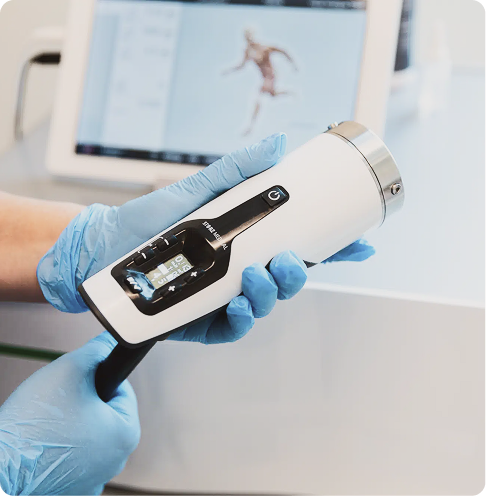
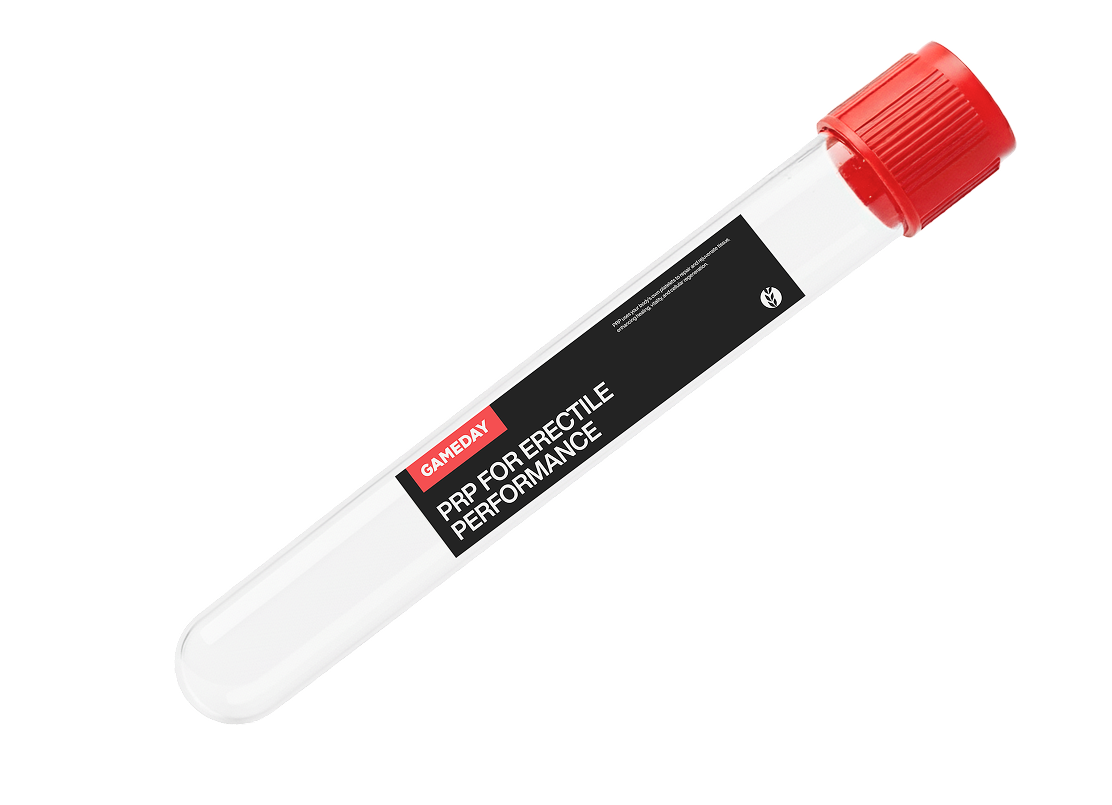
From Shockwave to the PRP for ED and beyond, access the right ED treatment according to your unique circumstance.

Thoughtful man reading while seated on the floor, reflecting proactive steps toward erectile dysfunction prevention.
How to Prevent Erectile Dysfunction

Erectile dysfunction is a common issue for men, particularly as they age. Worldwide, as many as 322 million men experience some form of erectile dysfunction, and it only becomes more prevalent with age. (1)

However, ED is not necessarily an inevitable symptom of aging. In many cases, erectile dysfunction develops gradually and is closely tied to overall health, circulation, hormone balance, and nerve function. That means prevention of ED is often possible, even with aging men. 

Preventing ED focuses on protecting the systems that make erections possible. Healthy blood flow allows the penis to fill and maintain firmness. Balanced hormones support libido and sexual response. Intact nerve signaling ensures proper stimulation and sensation. When one or more of these systems is compromised, erectile function can suffer.

The earlier men take steps to protect these foundations, the lower their long-term risk tends to be. In this guide, we’ll examine what causes ED, why early prevention is so important, and what steps men can take to reduce or, in some instances, fully eliminate, their erectile dysfunction.

What Causes Erectile Dysfunction?

Erectile dysfunction rarely has one single cause. Most cases result from a combination of physical, hormonal, psychological, and lifestyle factors that interfere with normal sexual function.  Here are some of the most common causes:

Circulation

Poor blood circulation is one of the most common contributors. Erections depend on strong blood flow through the arteries. Conditions that narrow or stiffen blood vessels, such as atherosclerosis or high blood pressure, reduce the ability to achieve or maintain an erection. (2)

Hormonal Imbalance 

Testosterone supports libido, erectile quality, and nitric oxide production, which helps blood vessels relax. Low testosterone can make erections weaker, less frequent, or harder to sustain, especially when combined with other health issues. (3)

Nerve Damage

Nerve damage can disrupt the signals between the brain and the penis. Diabetes, spinal injuries, pelvic surgery, and certain neurological conditions may impair nerve function and contribute to ED. (4)

Chronic Health Conditions

Conditions such as heart disease, diabetes, obesity, metabolic syndrome, and sleep apnea are all associated with higher rates of erectile dysfunction. Many of these conditions share common underlying drivers such as inflammation and insulin resistance. (5)

Psychological Factors

Psychological factors like anxiety, depression, performance stress, and relationship issues can all interfere with sexual response in certain cases. Mental health and physical health are closely linked when it comes to erectile function. (6)

Poor Lifestyle Habits

Certain lifestyle habits like smoking, excessive alcohol use, sedentary behavior, poor sleep, and unhealthy diets may all negatively affect circulation, hormones, and nerve health over time.

Why Prevention Matters

Erectile dysfunction typically develops slowly over time. Early changes may include reduced firmness, inconsistent erections, or longer recovery time between erections. Because these changes happen gradually, many men ignore them until the problem becomes more persistent.

Early intervention can substantially delay or reduce the severity of ED. Addressing risk factors when symptoms are mild often leads to better long-term outcomes than waiting until the ED has become more advanced. 

Erectile dysfunction can also serve as an early warning sign of broader health issues. Since the blood vessels in the penis are smaller than those supplying the heart and brain, erectile problems may appear before more serious cardiovascular symptoms develop. (7) In this way, ED can be an early indicator of heart disease, diabetes, or hormonal imbalance.

By focusing on prevention, men enhance their performance in the bedroom while also supporting their long-term cardiovascular, metabolic, and hormonal health.

Lifestyle Changes That Help Prevent ED

Daily habits can have a powerful impact on erectile function in many cases. Many of the same behaviors that protect heart health also support sexual performance. Here are some easy adjustments to make that can enhance sexual wellness. 

  • Regular physical activity improves circulation, supports hormone balance, and reduces inflammation. Both aerobic exercise and resistance training have been shown to reduce ED risk. (8)
  • Maintaining a healthy weight lowers the risk of diabetes, heart disease, and low testosterone, all of which can play a role in erectile dysfunction.
  • A heart-healthy diet rich in vegetables, fruits, lean proteins, whole grains, and healthy fats supports blood vessel function and nitric oxide production.
  • Quality sleep helps regulate testosterone, cortisol, and insulin, particularly in aging men. Chronic sleep deprivation is associated with lower testosterone and higher ED risk. (9)
  • Chronic stress increases cortisol and can interfere with sexual response and hormone balance, making stress and anxiety management critical to ensuring proper erectile function.
  • Limiting alcohol supports nerve health and testosterone production. Heavy drinking can impair erections both short term and long term. (10)
  • Avoiding smoking protects blood vessels and improves circulation. Smoking is one of the strongest lifestyle risk factors for ED. Some studies indicate current smokers have about a 70 percent higher chance of erectile dysfunction compared to never smokers. (11)

These changes work best when practiced consistently. Small improvements over time can significantly reduce the likelihood of erectile dysfunction.

Managing Health Conditions That Increase ED Risk

Many health conditions that contribute to ED are manageable with proper care. Prevention often depends on controlling these underlying issues before they cause lasting damage. Here are some important things to look out for. 

Blood Pressure

Blood pressure control is critical. High blood pressure damages blood vessel walls and reduces blood flow to the penis. Proper management through lifestyle changes and medication when necessary can protect erectile function.

Blood Sugar

Blood sugar management is especially important for men with diabetes or prediabetes. Elevated blood sugar damages both blood vessels and nerves, increasing ED risk. Tight glucose control helps preserve these systems.

Cholesterol

Cholesterol levels also matter. High LDL cholesterol contributes to plaque buildup in arteries, including those supplying the penis. Improving cholesterol through diet, exercise, and medication when appropriate supports healthier circulation.

Hormonal Balance

Hormone balance plays a role beyond testosterone alone. Thyroid hormones, cortisol, and insulin all influence sexual health. Addressing imbalances as soon as they become apparent may help reduce the risk of ED.

Managing these conditions often leads to other improvements beyond sexual function, including overall mood and energy and physical performance during workouts or athletics. 

The Role of Testosterone in ED Prevention

Testosterone plays a central role in male sexual health. While low testosterone is not the cause of all erectile dysfunction, it is a significant contributing factor in many cases, especially in middle-aged or older men.

Proper testosterone levels support libido, erectile strength, and nitric oxide production. When levels are low, men may notice a lack of sexual desire, fewer spontaneous erections, and decreased firmness when an erection is present. (12)

When symptoms are present, testing is essential. Along with ED, fatigue, low motivation, increased body fat, mood changes, and reduced muscle mass may also accompany low testosterone. (13

When it comes to your testosterone levels professional evaluation from a trusted clinic such as Gameday Men’s Health is essential. Testosterone levels fluctuate and should be interpreted in the context of symptoms, age, and overall health. Self-treatment with over-the-counter boosters or online products is often ineffective and may carry risks.

When indicated, addressing low testosterone under medical supervision, such as with testosterone replacement therapy (TRT), may improve sexual health while also supporting bone density, body composition, and overall vitality.

When to Seek Professional Evaluation

Men often ignore the signs of ED and hope the issue will resolve itself. What they’re missing is that early treatment can help lessen the impact of underlying conditions causing ED. Seeking professional help as soon as you notice a problem can prevent unnecessary progression of the issue. 

Early signs to watch out for include inconsistent erections, reduced firmness, difficulty maintaining erections, or noticeable changes in libido. These signs may indicate developing vascular, hormonal, or metabolic issues.

Lab testing plays a key role in evaluation. Blood work can assess testosterone levels, blood sugar, cholesterol, and other markers linked to ED risk. Identifying the exact problem allows for more targeted prevention strategies.

Avoiding unverified supplements and online treatments is important. Many products marketed for ED lack scientific support and may contain undisclosed ingredients. Professional care from a trusted source like Gameday helps ensure safety and effectiveness.

How Gameday Men’s Health Supports ED Prevention

Gameday Men’s Health takes a preventive and education-focused approach to erectile dysfunction. Our goal is to help men understand their risk factors and take proactive steps before ED becomes more severe.

Preventive-focused evaluations look beyond symptoms alone. Our clinicians assess cardiovascular health, metabolic markers, hormones, and lifestyle factors that influence erectile function before making a treatment determination. 

Hormone and metabolic testing help identify issues causing ED such as low testosterone, insulin resistance, or cholesterol abnormalities. From there, we create personalized health plans built around each individual’s needs and goals. These plans may include lifestyle guidance, medical treatment when appropriate, and ongoing monitoring.

Long-term support allows adjustments as health changes over time. The focus is on sustainable improvements rather than short-term fixes.

Key Takeaways

Erectile dysfunction is a common issue for men, but it is often preventable, especially when addressed early. Because ED develops gradually, small changes in blood flow, hormones, and nerve health can have a meaningful impact.

Healthy lifestyle habits, proper management of chronic conditions, and attention to hormone balance also play important roles in prevention. ED can also serve as an early warning sign of broader health issues, making prevention beneficial beyond sexual performance.

By seeking professional evaluation and taking a proactive approach, many men can reduce their risk of erectile dysfunction while supporting long-term health, confidence, and quality of life. If you’re ready to take back control over your sexual health, contact your local Gameday Men’s Health location today to schedule a consultation. 

References

  1. Erectile Dysfunction
  2. Sexual dysfunction 
  3. Relationship Between Testosterone and Erectile Dysfunction 
  4. What to know about nerve damage and erectile dysfunction 
  5. Symptoms & Causes of Erectile Dysfunction 
  6. Understanding the Psychological Factors Behind Erectile Dysfunction 
  7. Erectile Dysfunction Is a Hallmark of Cardiovascular Disease: Unavoidable Matter of Fact or Opportunity to Improve Men’s Health? 
  8. Physical Activity to Improve Erectile Function: A Systematic Review of Intervention Studies 
  9. Sleep, testosterone and cortisol balance, and ageing men 
  10. How Alcohol Can Affect Men’s Sexual Function 
  11. Cigarette Smoking as Risk Factor for Erectile Dysfunction: Results from An Italian Epidemiological Study 
  12. Low Testosterone and Sex Drive
  13. Low Testosterone
Man looking closely in the mirror as he notices early hair loss and thinning at the hairline.
How to Prevent Hair Loss in Men

Hair loss is one of the most common concerns men face as they age, and it often starts earlier than expected. Some men notice thinning hair as early as their twenties, while others notice signs later in life. Regardless of when it starts, hair loss in men is usually progressive, meaning it tends to worsen over time without intervention. As many as 80 percent of men will experience significant hair loss during their lifetime. (1)

The good news is that early action can make a meaningful difference when it comes to hair loss.
While no solution can guarantee a permanent full head of hair, many strategies can help slow hair loss, preserve existing hair, and in some cases support regrowth. When it comes to preventing hair loss in men, focusing on understanding the underlying cause, setting realistic expectations, and choosing an evidence-based approach that fits your health profile will drastically increase your chances of success.

In this guide, we’ll walk through why hair loss occurs, what can and cannot be prevented in hair loss, and how medical and lifestyle strategies can help protect your hair over the long term. 

Why Do Men Lose Hair?

Hair loss does not happen for just one reason. In most men, it is the result of several overlapping factors that affect the hair growth cycle and follicle health.

Genetics

Genetics is the most well known cause. Male pattern baldness, also called androgenetic alopecia, is inherited and driven by a sensitivity of hair follicles to dihydrotestosterone, or DHT. Over time, DHT causes follicles to shrink, leading to thinner, shorter hairs and eventually stopping growth altogether. (2)

Hormonal Changes

Hormonal changes also play a role in hair loss. Testosterone levels, DHT activity, thyroid hormones, and cortisol can all influence hair growth. (3) Hormonal imbalances may accelerate shedding or prevent healthy regrowth, especially when combined with genetics.

Aging 

Aging also naturally affects hair. As men get older, hair growth slows, follicles spend more time in the resting phase, and strands may become finer. Even men without significant genetic hair loss often notice reduced density over time.

Stress and Illness

High stress levels can trigger temporary hair shedding known as telogen effluvium. (4)  Additionally, medical conditions or procedures such as surgery, certain infections, or significant weight changes can also lead to telogen effluvium, causing noticeable thinning after a period of time, typically several months. 

Nutritional Deficiencies and Medical Conditions

Hair follicles are metabolically active and require adequate protein, iron, zinc, biotin, and other micronutrients. Nutritional deficiencies can weaken hair overall and slow regrowth.

Medical conditions such as thyroid disorders, autoimmune diseases, and scalp infections can also contribute to hair loss. (5) In these cases, treating the underlying condition is essential for improving hair health.

Can Hair Loss in Men Be Prevented?

Men often ask their physicians if hair loss can be completely prevented or reversed. The truthful answer is that full prevention is not possible in every situation, especially when genetics are the primary factor. 

However, even if treatment only yields partial results, it can still help slow down hair loss and preserve as much existing hair as possible while supporting regrowth where follicles are still active.  Many men who take early action maintain a fuller appearance for years longer than they would have otherwise, even if they may still eventually lose their hair. 

When it comes to treating hair loss, timing is critical. Hair follicles that have been inactive for a long period are difficult to revive, which is why addressing hair loss early leads to better outcomes. (6) Understanding your specific pattern, rate of loss, and contributing factors allows for a more effective plan.

A realistic prevention strategy focuses on consistency and long-term management rather than quick fixes or hoping for a miracle cure for dead follicles. 

Lifestyle Changes That Support Hair Health

Lifestyle factors may not fully override genetics, but they can play a meaningful role in overall hair health and resilience. Supporting your body helps create the best possible environment for hair follicles to function. Here are some ways you may be able to slow down hair loss. 

  • Balanced nutrition that includes adequate protein, healthy fats, vitamins, and minerals supports the hair growth cycle and follicle strength.
  • Stress management through exercise, mindfulness, and proper rest to reduce stress- related shedding.
  • Avoiding smoking to improve circulation and enhance oxygen delivery to hair follicles.
  • Gentle hair-care habits such as avoiding excessive heat, harsh chemicals, and tight hairstyles reduce unnecessary breakage and traction. (7)

In addition to potential positive outcomes on your hair, these healthy habits can also support hormone balance, cardiovascular health, and your overall energy and vitality levels. 

Medical and Clinical Hair Loss Prevention Options

When lifestyle changes are not enough, medical and clinical treatments can help address the biological drivers of hair loss. These options are most effective when used under medical guidance and tailored to individual needs.

  • Prescription treatments may help reduce DHT activity or support hair regrowth in men with androgenetic alopecia.
  • Topical solutions such as minoxidil (Rogaine) may improve blood flow to the scalp and stimulate follicles in early to moderate hair loss. (8)
  • Hormone evaluation may be appropriate if low testosterone, thyroid imbalance, or other hormonal issues are suspected.
  • Nutrient testing can identify deficiencies that may be contributing to thinning or shedding.

Regardless of your treatment, it’s important to manage realistic expectations and not expect miracle results. Treatments work best as part of a long-term plan between you and your physician, and consistency is key. Even when the right strategy is taken, results often take several months to become noticeable.

PRP for Hair Loss: How It Works

Platelet-Rich Plasma, commonly known as PRP, has become a popular option for men looking to support hair restoration without surgery or daily medications. PRP uses the body’s own healing mechanisms to promote healthier follicles. Some studies have shown PRP can increase hair density by as much as 30 to 40%. (9)

The process begins with a small blood draw. The blood is processed to concentrate platelets and growth factors, which are then injected into targeted areas of the scalp. These growth factors may help strengthen existing hair follicles, improve blood supply, and encourage dormant follicles to re-enter the growth phase.

PRP is minimally invasive and performed in-office. Most men tolerate the procedure well, and recovery time is minimal. This treatment is often used for early to moderate hair loss, where follicles are still present but weakening.

Rather than being a standalone cure, PRP is typically part of a comprehensive hair restoration plan. It may be combined with lifestyle changes, topical treatments, or medical therapies to support better outcomes over time.

At Gameday Men’s Health, PRP for hair loss is offered as a natural, non-surgical treatment option designed specifically for men experiencing early to moderate thinning or receding. 

When to Seek Professional Help

Many men wait until it’s too late when addressing hair loss. This can lead to relying on unproven solutions or simply hoping it will stabilize on its own. Knowing when to seek professional guidance and start treatment can make a substantial difference. Here are some key factors to look out for: 

  • Hair loss appears to be accelerating or spreading beyond a typical pattern.
  • Thinning is accompanied by fatigue, weight changes, or other symptoms that may indicate a hormonal or medical issue.
  • Over-the-counter products have not produced results after several months of consistent use.
  • You want a clear diagnosis and evidence-based treatment options rather than relying on trial and error.

A professional evaluation helps identify the root cause of hair loss and rules out conditions that require medical treatment. It also helps prevent wasted time and money on ineffective or unsafe products.

How Gameday Men’s Health Supports Hair Loss Prevention

At Gameday Men’s Health, we approach hair loss prevention with transparency and individualized care. Our primary focus is treating qualified patients with PRP restoration for hair loss to help stimulate follicles.  Gameday can also provide solutions for hormonal imbalance that may be affecting hair loss such as Testosterone Replacement Therapy (TRT). 

At Gameday, we pride ourselves on finding the best solution for your specific health needs, including hair loss. We recognize the need for individualized plans and don’t rely on one-size-fits-all treatments. 

Our professional staff is dedicated to providing a comfortable space for men to freely discuss concerns and expectations regarding both their hair restoration and overall health goals. We provide ongoing monitoring, lifestyle strategies, and treatment recommendations based on each patient’s unique needs. 

At Gameday, our emphasis is on successful long-term outcomes rather than making guarantees or exaggerated claims. By addressing hair loss early and comprehensively, many men are able to maintain healthier, fuller hair well into their later years. 

Key Takeaways

Hair loss is common in men and usually progresses over time, which is why early awareness and action are important. While not all hair loss can be fully prevented, many men can slow thinning and preserve existing hair by understanding the underlying causes and setting realistic expectations.

Genetics, hormones, aging, lifestyle factors, and overall health all influence hair loss. Addressing these factors through healthy lifestyle habits, appropriate medical evaluation, and evidence-based treatments like PRP can create the best possible conditions for maintaining hair and supporting regrowth where follicles are still active.

If you have more questions about hair loss, or if your hair loss is being accompanied by other symptoms that may indicate a hormonal imbalance, contact your local Gameday Men’s Health location today to schedule a consultation. 

References

  1. Most Men Experience Hair Loss—But It Isn't Inevitable 
  2. Androgenetic Alopecia 
  3. Hormonal Effects on Hair Follicles 
  4. Telogen Effluvium 
  5. Hair loss and thyroid disorders 
  6. Can you regrow hair? The truth about follicle regeneration 
  7. How to stop damaging your hair 
  8. Advances in Topical Therapies for Clinically Relevant and Prevalent Forms of Alopecia 
  9. What Is the Success Rate of PRP Hair Treatment?
Thoughtful man standing by a window, reflecting on erectile dysfunction treatment options and long-term sexual health.
How to Cure Erectile Dysfunction: What Men Need to Know

Erectile dysfunction can be a frustrating and concerning health issue for men, especially as they age. Recent statistics have shown that as many as 322 million men worldwide suffer from ED. (1)

For men suffering from erectile dysfunction, it can have an effect on much more than sexual performance. ED can cause relationship problems, create a lack of confidence, affect mood, and lower men’s overall quality of life.

Men dealing with ED often ask a simple but loaded question: Is erectile dysfunction curable? The answer is complex, but ED can be managed in most cases with the correct treatment plan once an underlying condition is determined. 

For those dealing with erectile problems, the most important thing is to understand why erectile dysfunction is occurring and take early, targeted action. In many cases, ED is more than just an issue with bedroom performance. It is also signaling something else in the body that needs attention. 

In this article, we’ll break down what we need to know about treating erectile dysfunction and how to set realistic goals and expectations. We’ll also explore common causes, and how modern treatment approaches can help men perform better and regain confidence. 

Can Erectile Dysfunction Be Cured?

It’s important to understand the distinction between “curing” erectile dysfunction and managing symptoms. A cure implies that erections will return to normal permanently without ongoing treatment. Management means symptoms are controlled with lifestyle changes, medication, or other therapies, which in turn creates stronger erections. 

For many men, erectile dysfunction is reversible or significantly improvable with treatment. When ED is caused by lifestyle factors, hormonal imbalances, medication side effects, or psychological stress, addressing those issues can lead to long-term resolution. In these cases, men may no longer need ongoing treatment once the root cause is corrected.

Other forms of erectile dysfunction are chronic. Structural damage to blood vessels or nerves, long-standing diabetes, certain cancer treatments, or advanced cardiovascular disease may not be fully reversible. (2)  Even in these situations, effective treatment can restore reliable sexual function and greatly improve quality of life.

Setting realistic expectations for improvement is important. The goal is not always a permanent cure with no further effort. The goal is dependable erections, improved confidence, and better overall health.

What Causes Erectile Dysfunction?

Erectile dysfunction is rarely caused by one single factor. Instead, several issues overlap at once, which is why individualized treatment plans are so vital. 

Although there are dozens of potential reasons for erectile dysfunction, some of the most common include: (3

  • Poor Blood Flow: Erections depend on healthy arteries that can expand and deliver enough blood to the penis. High blood pressure, high cholesterol, diabetes, and atherosclerosis all damage blood vessels over time.
  • Low Testosterone: Testosterone supports libido, energy, mood, and the physiological processes involved in erections. Men with low T levels may notice reduced sexual desire and weaker erections.
  • Nerve Damage: Nerve damage can interfere with signals between the brain and the penis. This can sometimes occur after prostate surgery, spinal injuries, or long-standing diabetes. 
  • Psychological Factors: These may include stress, anxiety, depression, and performance anxiety, all of which can indirectly disrupt erections even when physical function is intact. 
  • Medications: Some medications like certain blood pressure drugs, antidepressants, and antihistamines can sometimes cause ED. (4)
  • Lifestyle Considerations: Excess weight, smoking, heavy drinking, poor sleep, or prolonged periods of inactivity can all contribute to issues with erectile performance. 

Types of ED That Are Often Reversible

Some of the most common types of erectile dysfunction respond positively to targeted intervention, especially when addressed early.

Lifestyle-related erectile dysfunction is one of the most reversible forms of ED. While issues like obesity, smoking, and inactivity can impair blood flow and cause hormonal imbalance, bedroom performance often improves substantially once these issues are improved. 

Hormone-related erectile dysfunction can also be reversible when low testosterone or other imbalances are identified and treated appropriately with long-term treatment plans like testosterone replacement therapy. Many men notice improvements in libido and erectile quality once hormone levels are optimized.

If a medication is leading to erectile dysfunction, symptoms can improve when medication is replaced or adjusted with medical guidance. Psychogenic erectile dysfunction sometimes responds well to stress management, counseling, and confidence-building strategies. 

Early diagnosis matters because prolonged erectile dysfunction can lead to worsening vascular and nerve changes. Addressing the problem quickly substantially increases the chances of long-term reversal.

Lifestyle Changes That Can Improve Erectile Function

Lifestyle changes are often the foundation of any erectile dysfunction treatment plan. While they may not be a standalone cure for every man, they are highly effective in many situations.

Here are some of the top lifestyle adjustments men can make to improve their erectile function: (5

  • Lose Weight: Weight loss and regular exercise improve blood flow, insulin sensitivity, and testosterone levels. Even modest weight loss can lead to noticeable improvements in erectile function.
  • Maintain a Healthy Diet: A heart-healthy diet supports both cardiovascular and sexual health. Diets rich in lean proteins, vegetables, fruits, whole grains, and healthy fats help protect blood vessels and reduce inflammation.
  • Improve Sleep: Sleep quality is often overlooked. Poor sleep and sleep apnea disrupt testosterone production and increase stress hormones. Improving sleep can have a direct impact on erections.
  • Reduce Stress:  Stress reduction is equally important. Chronic stress elevates cortisol, interferes with sexual signaling, and fuels performance anxiety. Techniques like mindfulness, counseling, and structured relaxation can help.
  • Limit Alcohol Consumption and Smoking: Limiting alcohol and avoiding smoking are essential steps. Alcohol in excess depresses the nervous system, while smoking directly damages blood vessels. 

Reducing or eliminating these habits supports long-term improvement. These changes work best as part of a broader treatment plan rather than as a quick fix for temporary benefits. 

Medical Treatments for Erectile Dysfunction

When lifestyle changes alone are not enough, medical treatments can be effective for many men. However, finding the right approach for your specific situation is critical to ensure long-term success. 

When consulting with your physician about medical ED treatments, there are a variety of options that can be considered.  

Viagra and Cialis

Prescription oral medications, such as Viagra and Cialis, are often the first-line treatment. These medications work to enhance blood flow to the penis and can be highly effective when vascular function is partially intact.

Testosterone Replacement Therapy

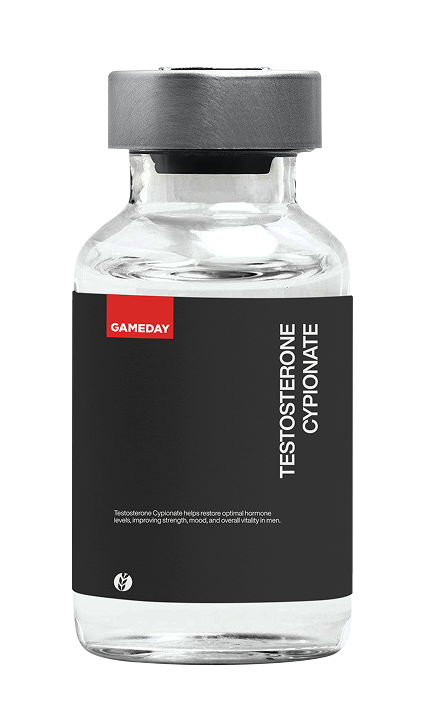
Testosterone replacement therapy may be appropriate for men with clinically low testosterone and related symptoms. TRT can help boost low T levels (typically below 300 ng/dL) back to healthy levels, which in turn often improves libido, energy levels, and erectile quality. (6)

Injectable Therapies 

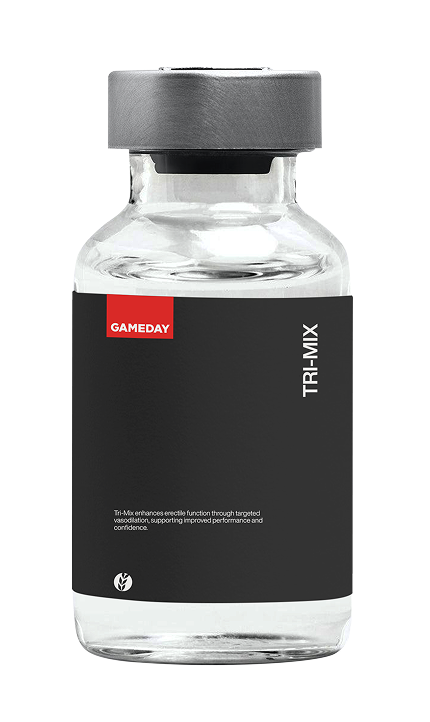
Injectable therapies deliver medication directly to the penis and can produce reliable erections even when oral medications fail. These treatments are typically used under medical guidance.  At Gameday Men’s Health, we offer Trimix injections for qualified patients. 

Regenerative Treatments

Regenerative options continue to evolve and focus on repairing underlying tissue damage rather than simply treating symptoms. While these approaches are still being studied, they show promise in certain situations. 

Your physician can help you understand the key differences between the various treatment options for erectile dysfunction and determine which therapy is best for you. Ultimately, the goal is to root out the underlying cause of ED, rather than relying on a short-term, one-size-fits-all solution. 

When ED Is Not Fully Curable

Some forms of erectile dysfunction are not fully curable due to permanent structural changes in the body. Advanced diabetes, severe vascular disease, and significant nerve damage are among the instances when erectile dysfunction may be irreversible. Certain cancer treatments, can also cause permanent ED. (7)

However, even when a complete cure is not fully possible, effective treatment can often still restore some level of sexual function. Even for men with permanent ED, satisfying erections are still sometimes achievable with the right ongoing treatment. 

Why a Professional Evaluation Matters

Erectile dysfunction is often an early warning sign of cardiovascular disease. The blood vessels in the penis are smaller than those supplying the heart, so problems may appear there first. (8) Ignoring ED can mean missing an opportunity to address serious health risks early.

A professional evaluation can help identify the true underlying cause of erectile dysfunction. Lab testing can reveal hormone imbalances, metabolic issues, and cardiovascular risk factors that may not yet cause obvious symptoms.

Relying on online treatments or supplements without medical supervision can be risky and lead to serious side effects. Many products are unregulated, ineffective, or unsafe, and some only mask symptoms without addressing underlying health problems.

Working with a qualified provider such as Gameday Men’s Health ensures that treatment is safe, appropriate, and tailored to your specific needs. 

How Gameday Men’s Health Helps Men with ED

At Gameday Men’s Health, we take a comprehensive approach to erectile dysfunction that focuses on understanding the whole picture. Care begins with private, judgment-free consultations where men can speak openly about their ED symptoms and any potential concerns. 

We examine lab results to help identify root causes such as hormone deficiencies, cardiovascular risk factors, and metabolic issues. Once we get the full picture of your health history, goals, and lab results, our experienced clinicians can develop a treatment plan suited to you. These plans may combine lifestyle adjustments, medical therapies, and ongoing monitoring to support lasting improvement. 

Erectile dysfunction and overall health change over time, especially for aging men, and treatment should adapt accordingly. At Gameday, our focus is on helping men achieve better sexual function, confidence, and long-term well-being.

Key Takeaways

Erectile dysfunction is common, treatable, and often reversible when addressed early. While not every case of ED can be fully cured, most men can experience substantial improvement with the right combination of lifestyle adjustments, medical treatment, and professional guidance. 

The most important step is the first one. If you’re suffering from ED, talking to a trusted medical professional about potential solutions early can help improve the chances of noticeable long-term improvements. 

If you’re ready to confront your erectile dysfunction and take back control over your sexual wellness, contact your local Gameday Men’s Health location today to schedule a consultation.

References

  1. Erectile Dysfunction
  2. What is Erectile Dysfunction? 
  3. Erectile dysfunction 
  4. Drugs that may cause erection problems 
  5. Healthy Habits, Happy Endings: Lifestyle Changes to Combat ED 
  6. Keep Testosterone in Balance 
  7. Erectile Dysfunction 
  8. Erectile dysfunction: A sign of heart disease?

No limits—just performance day in and day out

At Gameday, our vision extends beyond health services. Together, we’re creating a world where every man feels empowered to perform his best and live confidently.

Gameday has changed my life. It has helped my marriage, my job, my relationship with life, I mean that, and I am grateful.

WORKS FAST
Gets results
Smooth service

I'm 48 years old and have been using TRT for a few months and feel stronger, with more energy. Men don't talk about hormonal changes and the impact in our lives, but it is real. This is an alternative that I definitely recommend.

WORKS FAST
Gets results
Smooth service

Start your
best life

Get noticeable results in weeks with personalized treatments, expert guidance, and deep commitment to your well-being.

Frequently Asked Questions

What causes erectile dysfunction?

Erectile dysfunction (ED) can result from a variety of factors, often a combination of physical and psychological causes. Common physical causes include cardiovascular diseases, high blood pressure, diabetes, obesity, hormonal imbalances (such as low testosterone), and certain medications. Lifestyle factors like smoking, excessive alcohol consumption, and lack of physical activity can also contribute. Psychological causes may include stress, anxiety, depression, or relationship challenges.

Fortunately, there are several treatment options available depending on the underlying cause. We offer advanced solutions like the Trimix injections, and medications such as Viagra and Cialis. Each of these treatments is tailored to help improve erectile function and overall health.

Consult with our healthcare professionals to learn more and find the most suitable treatment for your needs.

What is the best treatment for erectile dysfunction?

The best treatment for ED varies for each individual. At Gameday Men’s Health, we offer a range of personalized treatments, including advanced medications, innovative therapies, and lifestyle modifications.

The experienced specialists work closely with you to determine the most effective and suitable treatment options. With the expertise and your commitment, overcoming ED is not just a possibility – it’s a reality. Regain your confidence and enhance your intimate life with the support of Gameday Men’s Health.

What is erectile dysfunction?

Erectile Dysfunction (ED) is a complex medical condition that affects men’s ability to achieve and maintain a firm erection during sexual activity. It is a multifaceted issue influenced by both physical and psychological factors. Physically, ED often stems from problems with blood flow to the penis. When the blood flow is insufficient or hindered, it prevents the penis from becoming rigid enough to engage in sexual intercourse.

One of the primary physical causes of ED is vascular problems, where conditions like atherosclerosis (hardening of the arteries) restrict blood flow, affecting the ability of the penis to fill with blood and create an erection. Neurological disorders, hormonal imbalances (such as low testosterone levels), and certain medications can also interfere with the complex processes that lead to an erection. Additionally, lifestyle factors like smoking, excessive alcohol consumption, obesity, and lack of physical activity can contribute significantly to the development of ED. While erectile dysfunction is often connected with physical causes, psychological factors can independently lead to or exacerbate ED. Conditions like stress, anxiety, depression, or relationship issues can create a vicious cycle where ED causes emotional distress, which worsens ED symptoms.

Understanding the underlying cause of ED is crucial for effective treatment. It’s not just a matter of sexual performance; ED can significantly impact a man’s self-esteem, relationships, and overall quality of life. Seeking help from a specialized men’s health clinic like Gameday Men’s Health is essential. Their comprehensive approach combines medical expertise, cutting-edge diagnostics, and personalized treatment plans to address ED, ensuring a tailored solution that restores confidence and intimacy in men’s lives.

How do you know if you have erectile dysfunction?

Recognizing ED involves paying attention to persistent difficulties in achieving or maintaining an erection. Our clinic provides a discreet and comfortable environment to discuss your concerns openly. Our expert staff will guide you through the process, ensuring you receive a thorough evaluation and precise diagnosis.

How long does erectile dysfunction last?

The duration of erectile dysfunction (ED) is highly individual and can vary widely from person to person. It depends on a range of factors, including the underlying cause of ED, the individual’s overall health, lifestyle choices, and the effectiveness of the treatment pursued. For some, erectile dysfunction might be a temporary issue arising due to stress, anxiety, or a specific event, and it could resolve on its own or with minimal intervention.
However, if ED persists over an extended period, it’s essential to seek professional help. Chronic conditions like diabetes, heart disease, or hormonal imbalances often require ongoing management, and ED could be a long-term concern in such cases.

At Gameday Men’s Health, our approach to ED is comprehensive and personalized. We conduct thorough assessments to understand the specific factors contributing to your condition. Based on this evaluation, we design tailored treatment plans that focus on addressing the immediate symptoms and the underlying causes. We aim to provide sustainable solutions that improve your sexual health and overall well-being.

By offering evidence-based treatments and ongoing support, Gameday Men’s Health aims to assist you in overcoming ED and regaining your confidence. We understand the sensitive nature of this condition and provide a supportive environment where you can openly discuss your concerns. With the right treatment, commitment, and support, many men experience significant improvements in their erectile function, leading to a more satisfying and fulfilling intimate life. Remember, taking that first step towards seeking help is crucial, and with the right help, ED can often be effectively managed and even resolved.

How common is erectile dysfunction?

ED affects many men, and you’re not alone in facing this challenge. Gameday Men’s Health has successfully helped numerous individuals overcome ED, providing them with renewed confidence and improved quality of life. Our experienced team understands the complexities of this condition, offering tailored solutions that are both effective and discreet.

How is erectile dysfunction diagnosed?

Diagnosing erectile dysfunction involves a comprehensive evaluation with a knowledgeable, trained provider with modern ED treatment options. At Gameday Men’s Health, the experienced healthcare providers utilize state-of-the-art diagnostic tools and techniques to identify your ED’s underlying causes precisely. This accurate diagnosis allows us to develop a targeted and effective treatment plan tailored to your needs.