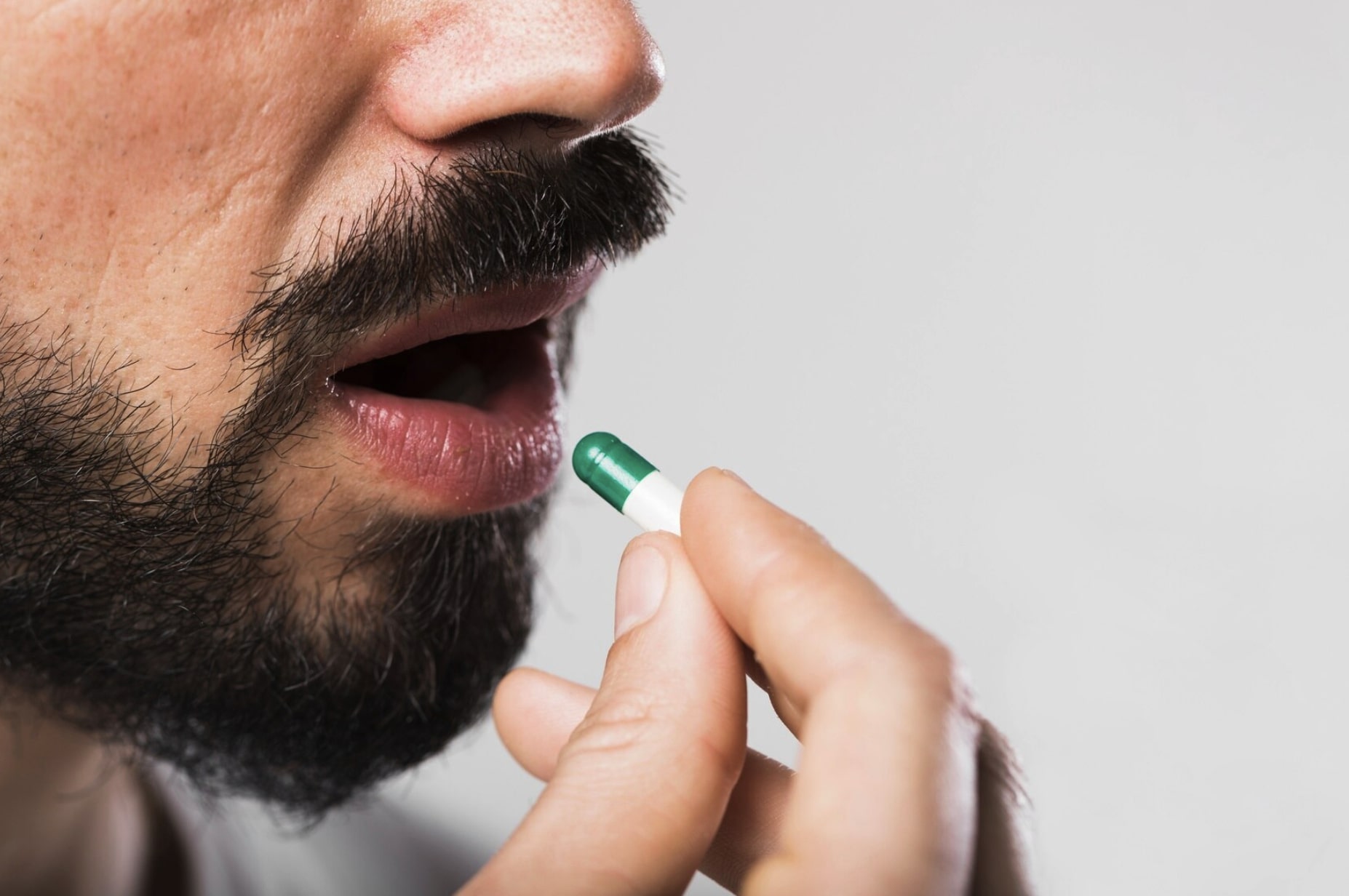
Men’s sexual health is complex, and can depend on much more than sexual desire and libido. Hormones, blood flow, energy levels, mental health, and lifestyle habits all play a key role in bedroom performance for men. When any one of these is out of balance, a man’s sexual wellness can suffer and it may lead to erectile dysfunction.
Vitamins and key nutrients help support these systems at a foundational level, which is why deficiencies often show up first as fatigue, low libido, or reduced performance.
In this guide, we’ll break down the best vitamins for men’s sexual health and explain how specific nutrients support testosterone production, blood flow, stamina, and overall sexual function. We’ll also clarify when supplements help, and when it may be time to seek professional care.
Why Vitamins Matter for Sexual Health
Vitamins and minerals are involved in nearly every biological process related to sexual function. They influence hormone production, circulation, nerve signaling, and energy metabolism. (1) Even mild deficiencies can have noticeable effects on libido and performance, especially as men age or experience chronic stress.
Men need adequate vitamins and minerals to support the following:
- Healthy testosterone production
- Strong erectile function through blood flow and nitric oxide signaling
- Sperm quality and overall reproductive health
- Energy levels and mood stability
- Reduced inflammation and oxidative stress
When nutrient levels drop, the body often prioritizes basic survival over sexual function. This can lead to subtle symptoms at first, such as reduced sex drive or reduced stamina, before progressing to more noticeable issues like erectile dysfunction or chronically low testosterone.
Best Vitamins for Men’s Sexual Health
Vitamin D
Vitamin D plays a direct role in testosterone production and hormone regulation. Men with low vitamin D levels are more likely to experience low libido, erectile dysfunction, and fatigue. (2) This vitamin also supports immune function and mood, both of which influence sexual health.
Low vitamin D is common among men, especially men who spend most of their time indoors or live in northern climates where sun exposure is limited. Symptoms of deficiency often include persistent fatigue, low mood, and muscle weakness. (3) Because vitamin D functions more like a hormone than a traditional vitamin, maintaining adequate levels is especially important for long term sexual and hormonal health.
Vitamin B Complex (B6, B9, B12)
B vitamins are essential for energy production, nerve function, and red blood cell formation. These functions directly affect sexual performance by supporting stamina, circulation, and neurological signaling.
Vitamin B6 plays a role in testosterone regulation and neurotransmitter balance. Vitamin B12 supports oxygen delivery through red blood cells, which is critical for erectile function. Folate, also known as B9, contributes to healthy blood flow and sperm quality. (4)
B vitamin deficiencies can lead to fatigue, brain fog, and anxiety. Men under chronic stress or those who consume large amounts of alcohol are at higher risk of deficiency, since stress and alcohol both deplete B vitamins.
Vitamin C
Vitamin C supports sexual health primarily through its effects on blood flow and vascular function. It helps increase nitric oxide availability, which allows blood vessels to relax and widen, a process essential for achieving and maintaining erections. (5)
Vitamin C is also a powerful antioxidant that protects blood vessels from oxidative damage. By reducing oxidative stress, it indirectly supports testosterone production and cardiovascular health.
Vitamin E
Vitamin E supports vascular health and protects cells from oxidative damage. In the context of sexual health, this means improved blood flow and protection of sperm cells from free radical damage.
Vitamin E works especially well when paired with vitamin C, since the two antioxidants regenerate each other in the body. While vitamin E deficiency is less common, inadequate intake can still contribute to poor circulation and reduced reproductive health over time.
Zinc
Zinc is one of the most important minerals for men’s sexual health. It plays a central role in testosterone production, sperm development, and prostate health. Even moderate zinc deficiency has been linked to everything from low testosterone levels, to reduced libido, to fertility and sperm quality. (6)
Many adult men do not consume enough zinc through diet alone, particularly if they eat limited amounts of red meat, shellfish, or seeds. Zinc deficiency may also impair immune function and slow recovery, further affecting energy and sexual performance.
Magnesium
Magnesium supports testosterone regulation, muscle relaxation, and nervous system balance. It helps blood vessels relax, which improves circulation and erectile function. Magnesium also plays a role in stress reduction and sleep quality, both of which are essential for healthy libido.
Low magnesium levels are associated with poor sleep, increased stress, fatigue, irritability, and muscle weakness. (7) Since issues like sleep deprivation and chronic stress can significantly suppress testosterone, proper magnesium levels indirectly support sexual health by improving recovery and hormonal balance.
Omega-3 Fatty Acids
While Omega-3 fatty acids are not vitamins, they are essential nutrients for sexual health. These nutrients work to improve blood circulation, support heart health, and reduce inflammation throughout the body. Since erectile function depends heavily on healthy blood vessels, Omega-3 intake is closely tied to sexual performance.
Research has also shown that an increase of Omega3 fatty acids helped significantly improve sexual function in rats who were exposed to the chemical bisphenol F (BPF). (8) Fatty fish, flaxseeds, and walnuts are excellent dietary sources of Omega-3 fatty acids.
L-Arginine
L-Arginine is an amino acid that supports nitric oxide production and blood flow. It is commonly included in sexual health supplements because of its role in vascular function. While it is not a vitamin, it can be a helpful addition for men dealing with circulation-related performance issues.
Can Supplements Replace a Healthy Diet?
While supplements can be helpful in many cases, they are not a substitute for a balanced diet. Vitamins and minerals are best absorbed when they come from whole foods that contain fiber, antioxidants, and supportive compounds.
Supplements are most effective when a true deficiency exists. Without testing, taking high doses of supplements may provide little benefit and, in some cases, actually cause harm. Over- supplementing fat soluble vitamins or minerals like zinc can interfere with other nutrients and lead to unwanted side effects. (9)
Foods rich in sexual health-supporting nutrients include salmon, eggs, leafy greens, nuts, seeds, citrus fruits, legumes, and whole grains. A nutrient-dense diet creates the foundation for healthy hormone production and circulation, while supplements can help fill gaps when needed.
Signs You May Have a Vitamin Deficiency
Vitamin deficiencies often develop slowly and may be overlooked or attributed to aging or stress. Common signs that nutrient levels may be affecting sexual health include:
- Low libido or reduced interest in sex
- Erectile dysfunction or difficulty maintaining erections
- Chronic fatigue or low energy
- Poor sleep quality
- Mood swings, irritability, or low motivation
- Low testosterone levels
- Reduced stamina and endurance
Rather than self-diagnosing, testing vitamin and hormone levels provides clarity and helps guide effective treatment.
How Vitamin Levels Affect Testosterone
Several vitamins and minerals play direct roles in testosterone production and regulation. Vitamin D acts on hormone receptors involved in testosterone synthesis, while zinc is required for testosterone production in the testes. Magnesium can support free testosterone levels by reducing binding proteins, and B vitamins help regulate stress hormones that suppress testosterone.
When testosterone levels drop, men may experience the following effects (10):
- Low libido and sexual dissatisfaction
- Reduced performance and confidence
- Depressive symptoms or low mood
- Increased body fat and reduced muscle mass
- Persistent fatigue and poor recovery
Because testosterone influences nearly every system related to sexual health, identifying and correcting deficiencies can often make a meaningful difference. Gameday Men’s Health offers comprehensive screening services that assess testosterone levels and related markers to determine whether nutrient support, lifestyle changes, or testosterone replacement therapy may be appropriate.
When Supplements Aren’t Enough
While correcting vitamin deficiencies can improve symptoms, persistent issues with sexual health may indicate deeper concerns that require medical attention. Ongoing reduced libido or ED may be linked to low testosterone, cardiovascular disease, chronic stress levels, or metabolic conditions.
In these cases, supplements alone are unlikely to solve the problem. A full evaluation from a trusted clinician can help identify if hormone imbalance, blood flow issues, medication reaction, or other health concerns are causing these symptoms. A doctor can help you address the root cause of the issue, which can lead to better long-term outcomes than relying only on over-the-counter solutions.
Gameday Men’s Health provides confidential, personalized care for men’s sexual wellness. Our services include testosterone testing, hormone optimization, erectile dysfunction evaluation, and individualized guidance on supplements and nutrition.
Additionally, Gameday can provide alternative treatments to help men dealing with sexual health issues when prescribed. These include Trimix injections, Viagra and Cialis, Sermorelin peptides, and the P-Shot.
Key Takeaways
Several vitamins support men’s sexual health, especially vitamin D, B vitamins, vitamin C, vitamin E, zinc, and magnesium. These nutrients may help improve libido and blood flow, enhance testosterone, and boost energy levels.
While supplements can help address deficiencies, they cannot replace a healthy diet or a comprehensive medical evaluation. At Gameday Men’s Health, we offer expert, discreet care in a male-centric environment, so you can feel confident about your sexual health. Our clinicians can help guide you to enhance your vitamin intake or set up vitamin injections, which can in turn improve overall sexual function.
With the right nutrients, testing, and professional guidance, men can take meaningful steps toward better performance, confidence, and long-term well being. If you’re ready to take back control of your sexual wellness, contact your local Gameday Men’s Health location today to schedule a consultation.