Can Stress Cause Erectile Dysfunction?


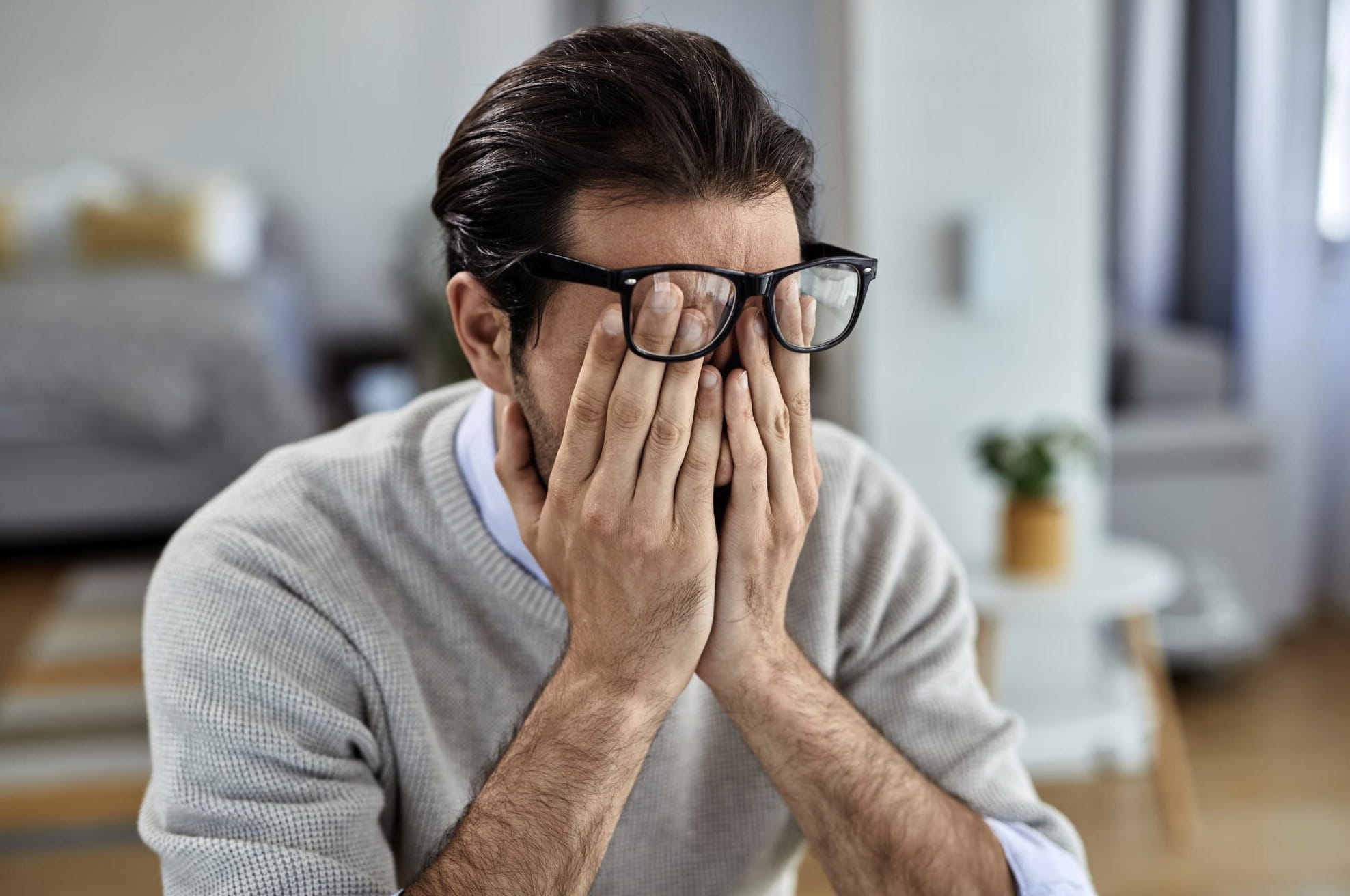
No matter who you are, you’re likely dealing with at least some level of stress. Whether it’s related to work, financial responsibilities, family obligations, or even world events, stress can sometimes feel overwhelming. While short bursts of stress are perfectly normal and can be tolerated, chronic stress can take a serious toll on both physical and mental health.
For men, high stress levels can begin to affect performance in the bedroom and cause erectile dysfunction. Erections may feel less reliable, harder to maintain, or absent altogether. When this happens, it is common to wonder whether stress alone can cause erectile dysfunction or if something more serious is going on. (1)
The reality is that stress and erectile dysfunction are closely connected. Erections depend on a precise interaction between the brain, hormones, nerves, blood vessels, and muscles. When stress interferes with any part of that system, sexual performance can suffer.
However, it’s also important to know when stress may be masking an underlying physical condition leading to ED. In this guide, we’ll examine how stress can affect erections, and how to understand the key differences between physically-triggers and psychological-triggered ED.
How Stress Affects Erections
Achieving an erection is not purely physical. Erections begin in the brain and rely on signals being sent smoothly through the nervous system. Stress disrupts this process in several important ways.
When the body perceives stress, it activates the fight-or-flight response. This response evolved to help humans survive danger, not to support sexual function. During fight-or-flight, the body prioritizes systems needed for immediate survival and temporarily suppresses others, which may include arousal.
One of the first changes involves blood flow. Stress causes blood vessels to constrict, redirecting blood toward vital organs like the heart and muscles. As a result, less blood is available for the penis, making it difficult to achieve or maintain an erection. (2)
Stress also interferes with nerve signaling. Erections depend on relaxed smooth muscle and clear communication between the brain and penile nerves. Anxiety and mental distraction can interrupt these signals, preventing the body from responding properly to sexual stimulation. (3)
Hormones can also play a major role. Chronic stress increases cortisol levels, the body’s primary stress hormone. Elevated cortisol over time can suppress testosterone production. Since testosterone supports libido, erectile function, and overall sexual confidence, lower levels can further contribute to erectile difficulties.
In short, stress creates a biological environment that works against healthy erections, even in otherwise healthy men.
Psychological vs Physical Erectile Dysfunction
Erectile dysfunction is often divided into psychological and physical categories, but the distinction is not always so clear-cut.
Stress-related erectile dysfunction is often situational. A man may have normal erections in some circumstances but struggle to reach peak performance during periods of intense stress or anxiety. Also, erections may occur during sleep or masturbation but not during sex with a partner. This pattern often points to a psychological or stress-driven component to ED. (4)
Physical erectile dysfunction tends to be more consistent. For example, men with vascular disease, nerve damage, or hormonal imbalances often experience ongoing difficulties regardless of situation or stress level. (5) When erectile dysfunction is physical, erections may gradually weaken over time rather than fluctuate from day to day.
Many men who suffer from ED experience a combination of both psychological and physical ED. Stress can trigger erectile dysfunction initially, and repeated episodes may then create performance anxiety. In turn, that anxiety can further increase stress, reinforcing the problem. Over time, this cycle can make occasional performance issues feel persistent and overwhelming.
Recognizing that erectile dysfunction is rarely caused by one single factor can help men approach treatment with a more balanced mindset.
Common Stress-Related Triggers for ED
Stress comes in many forms, and not all stress feels the same to the body. Certain types of stress are especially likely to interfere with sexual performance.
Common stress-related triggers for erectile dysfunction include:
- Work pressure, such as working long hours, feeling insecure about your job, or dealing with high-responsibility roles
- Financial stress related to debt, unexpected expenses, or long-term financial planning
- Relationship issues such as unresolved conflict, poor communication, or emotional distance
- Performance anxiety, especially after a previous episode of erectile difficulty
- Poor sleep caused by stress, irregular schedules, or insomnia
These stressors can often overlap and compound one another. For example, work stress may disrupt sleep, which then lowers testosterone and increases irritability. Relationship tension may increase performance anxiety, making erections feel unpredictable. Over time, the body remains stuck in a stress response that undermines sexual function.
Can Stress-Related ED Be Reversed?
In many cases, stress-related erectile dysfunction is temporary and reversible. When stress levels decrease and the nervous system returns to a more balanced state, normal erectile function often returns as well.
However, early attention is important when you feel ED may be related to stress or anxiety. Addressing daily life stressors before they become chronic can prevent long-term patterns of anxiety and avoidance around sex. Men who take proactive steps to managing stress often see improvement not only in their sexual performance, but also in energy, mood, and overall health.
However, stress-related erectile dysfunction should not be fully dismissed without evaluation, especially if the problem continues after stress levels are reduced. Stress can sometimes mask or worsen underlying physical issues such as low testosterone, high blood pressure, or early vascular disease. (6) Identifying these factors early leads to better outcomes and more targeted treatment.
Strategies to Reduce Stress and Improve Erectile Health
While you may not be able to fully eliminate stress, managing it properly and taking active steps to reduce stress levels can help the body recover more efficiently and potentially help prevent ED. Some key strategies for supporting stress reduction and erectile health include:
- Implementing proven stress management techniques such as time prioritization, setting proper boundaries, and cognitive reframing
- Regular physical activity, which lowers cortisol, improves blood flow, and boosts testosterone. Even moderate, consistent movement can have a noticeable impact on sexual performance.
- Optimizing sleep by maintaining consistent bedtimes, limiting screen use at night, and addressing sleep disorders. Chronic sleep deprivation raises cortisol and lowers testosterone, creating a perfect storm for erectile dysfunction.
- Practicing ,mindfulness and relaxation techniques like deep breathing, meditation, or guided relaxation
- Limiting alcohol and stimulants, which can worsen anxiety and interfere with erections
While lifestyle changes alone can be powerful, they work best when paired with medical evaluation and personalized guidance.
When Stress Is Not the Only Cause
Stress rarely exists in isolation. In many cases, it acts as an amplifier for underlying physical conditions that affect erectile function.
Low testosterone, for example, can make men more vulnerable to stress-related erectile dysfunction. Hormonal imbalance may reduce libido and resilience, making it harder for the body to recover from day-to-day stressors.
Vascular issues such as high blood pressure, high cholesterol, or early atherosclerosis can limit blood flow to the penis. (7) Stress-induced blood vessel constriction may worsen these problems, turning mild erectile difficulty into a more noticeable issue.
Metabolic conditions like insulin resistance or diabetes can also contribute by affecting nerves and blood vessels. Stress can further destabilize blood sugar control, compounding the impact on erectile health.
This is why testing, even when stress seems like the most likely cause, is still recommended. Ruling out hormonal or vascular contributors ensures that treatment plans address the full picture rather than just the symptoms.
How Gameday Men’s Health Helps Men with Stress-Related ED
At Gameday Men’s Health, we view erectile dysfunction as a whole-body issue, rather than just a single symptom. Men dealing with ED can benefit from comprehensive evaluation and personalized care in a private, judgment-free environment.
Care begins with a thorough consultation to understand symptoms, stress levels, lifestyle factors, and personal health history. This conversation helps gain further understanding of whether erectile dysfunction is situational, persistent, or a combination of the two.
Hormone and health testing plays a central role. Measuring testosterone levels and other key markers allows providers to identify imbalances that may be contributing to both stress and sexual performance issues.
Based on these findings, a Gameday clinician can then develop a personalized treatment plan, which may include guidance on lifestyle habits, stress management strategies, hormone optimization, or targeted ED therapies. The goal is not just to restore erections, but to improve overall vitality and confidence.
With the right support, many men suffering from ED can regain reliable performance and a healthier relationship with stress itself.
Take Control of Your Sexual Health
If stress is affecting your performance, it’s important to remember that it is not a personal failure. It is a biological response that can be addressed. Erectile dysfunction during stressful periods is common, and in many cases, reversible with the right approach.
Taking action early leads to better outcomes, and a professional evaluation can identify contributing factors, rule out underlying conditions, and provide a clear path forward.
If you’re ready to take back control of your sexual health, contact your local Gameday Men’s Health location today to schedule a consultation.
References
- Can Stress Cause Erectile Dysfunction? Urology FAQ
- Can Stress and Anxiety Cause Erectile Dysfunction?
- Stress and Erectile Dysfunction: 7 Ways to Improve This
- Why Some Men Only Get ED With Penetration (But Not Alone)
- Erectile dysfunction
- Can Stress Cause Erectile Dysfunction?
- What can erectile dysfunction tell you about your heart health?
Share this post