Man in black tank top exercising on outdoor parallel bars by the beach, focused with calm sea and sky behind.

What is TRT? A Complete Beginners Guide

May 10th, 2022
1
Min Read

Article / What is TRT? A Complete Beginners Guide

An increasing number of men are experiencing testosterone deficiency – a condition often referred to as “low T.” Recent research suggests that testosterone levels may decrease as rapidly as 2% annually after the age of 30.1 Further findings have shown that the prevalence of low T is as high as 38.7% in men ages 45 or older.2

Naturally, this has led to a surge in physicians, specifically endocrinologists, prescribing a special type of treatment protocol called testosterone replacement therapy (TRT). As research progresses, the medical and scientific communities are gaining a much clearer grasp of how testosterone levels influence longevity and well-being. Trained men’s health physicians are now well-educated on how to administer prescription testosterone in a safe and effective manner.

But what is TRT? How does TRT work? What are the benefits (and risks) of TRT?

This article will answer those questions and provide a concise overview of TRT to get you up to speed on this type of hormone replacement therapy. For more information, please visit our Low T page or find more information on our home page.

WHAT IS TRT?

Testosterone replacement therapy (TRT) is a unique type of hormone replacement therapy designed to restore healthy testosterone levels in someone who suffers from low T. TRT is actually quite similar to the use of insulin in type-I diabetics; the body is lacking endogenous production of a necessary hormone, so it needs to be “replaced” with an exogenous source.

In the case of TRT, this means using exogenous testosterone (generally prescribed as an injection) to bring testosterone levels back to a healthy range. Other forms of testosterone prescriptions exist as well, such as testosterone patches and testosterone creams (both of which are absorbed through the skin instead of being injected).

While the majority of males on TRT are over the age of 50, younger men are taking action into their own hands and having their testosterone levels checked these days. We strongly encourage this if you are experiencing symptoms of low T, which we will cover later in this article.

Testosterone was initially synthesized in a lab setting in 1935 and has been used in clinical applications ever since.3 Over the last decade, testosterone has become one of the most widely prescribed medications across the United States.1

Many factors are responsible for the rise of TRT and men being diagnosed with low T, particularly the growing population of males over 50 years of age. Scientists and physicians also have a better understanding of the pathophysiology of testosterone deficiency nowadays.

Symptoms of Low T (Testosterone)

The symptoms of low T are typically a negative impact on overall well-being and health. Men who are testosterone deficient also find that their symptoms tend to get worse with time, which starts to drastically lower quality of life and reduce motivation to get out of bed in the morning.

Here are the most common symptoms of low T that men experience:

  • Decreased libido/sex drive
  • Erectile dysfunction (impotence)
  • Low energy throughout the day
  • Loss of muscle mass and strength
  • Increase in body fat
  • General depression
  • Small or shrinking testes
  • Poor concentration (brain fog)
  • Infertility
  • Hot flashes
  • Low red blood cell count (anemia)
  • Brittle bones and general weakness
  • Hair loss (particularly body hair)
  • Sleep apnea (or other sleep disorders)

If you’re experiencing any (or all) of these symptoms, you may be a candidate for TRT. However, it’s necessary to confirm your testosterone levels through blood work before you make any decisions.

The trained physicians at Gameday Men’s Health will help guide you through the process of checking your testosterone levels and determining if you should consider TRT.

HOW DOES TRT WORK?

Now that we answered the “what is TRT” question, you’re probably curious how TRT works. In short, TRT works by giving your body the testosterone it needs to function properly. Testosterone is the primary androgen in males (and females) and has an impact on many biological processes that are necessary for health and longevity.

For example, low T is associated with an increased risk of type-2 diabetes, metabolic syndrome, cardiovascular disease, and a myriad of other debilitating health conditions.4

Having low T also makes it significantly harder to build (and retain) muscle mass, since testosterone is a potent anabolic hormone and directly impacts muscle protein synthesis.5

Intuitively, if your body doesn’t produce enough testosterone on its own, your health will start to suffer until you fix the issue. Thus, TRT works by bringing your body back to a healthy range for testosterone, which then slowly begins to reverse the symptoms of low T.

Once a steady baseline dose of testosterone has been established on TRT, most men notice an improvement in their energy levels, vitality, and quality of life. However, TRT isn’t an overnight remedy, and some men won’t notice any beneficial changes until 1-2 months have passed.

Again, be sure to do this all under the guidance of a trained physician specializing in TRT, like those at Gameday Men’s Health. Testosterone is a controlled substance in the United States (and many other countries), so you will need a prescription to use it legally.

WHAT ARE THE BENEFITS OF TRT?

TRT can benefit individuals with low T in a multitude of ways, it’s just a matter of giving the testosterone time to restore balance (i.e., homeostasis) in the body.

If you’re just beginning TRT, don’t get too far ahead of yourself; the benefits of TRT aren’t going to happen right away. This is not to say you won’t notice improvements in the short-term, but rather that TRT is not a “quick-fix” like some people believe it to be.

However, TRT has a high success rate in males with low T and is a practical long-term solution to an otherwise debilitating endocrine dysfunction.

The short-term benefits of TRT may include:

  • Heightened libido/sex drive
  • Better erectile quality
  • Improvement in energy levels and cognitive function
  • More vitality, motivation, and confidence throughout the day
  • Healthier appetite regulation
  • Improved sleep quality

After several months of TRT, many patients experience:

  • More efficient lean body mass (as part of a diligent weight training regimen)
  • Enhanced recovery after exercising
  • Fuller facial hair growth
  • Better bone and joint health
  • Increase in red blood cell production
  • Improved immune function

It’s important to remember that TRT is not a one-size-fits-all treatment protocol; some men will respond to testosterone more quickly than others. Again, your mindset should be on the long-term results of TRT as opposed to the quick-fix mentality that many men seem to have.

WHAT ARE THE RISKS OF TRT?

Much like any prescription medication, testosterone can bring about some side effects after continuous use. Thankfully, the side effects of TRT are relatively benign since the goal is to keep testosterone levels in a healthy range. If your testosterone levels get too high on TRT, your doctor should adjust the dose of testosterone accordingly.

Testosterone seems to have a poor reputation in modern society, as many people assume it produces serious side effects and “roid rage,” which is simply not the case when small doses are used (as is the case on TRT). Intuitively, if you take large amounts of testosterone (e.g., for physical performance enhancement), there is definitely a greater risk of harmful side effects, such as gynecomastia, infertility, and high blood pressure.

On the contrary, the risks of TRT are fairly limited. Some men may notice they have oily skin, body hair growth (back and chest), and testicular shrinkage after being on TRT for a period of time. These side effects are manageable in the majority of cases and may even fade as the body adjusts to TRT.So, why do the testicles tend to shrink when a man takes testosterone? The body regulates its production of testosterone through a negative feedback loop mechanism involving the hypothalamus, pituitary gland, and gonads (testes) – known as the HPG axis. In healthy individuals, the pituitary gland secretes luteinizing hormone (LH) which communicates to the testes to produce testosterone, and this keeps testosterone levels in a normal range.

When you start providing your body with testosterone directly, the negative feedback loop acts as a “shutdown” mechanism of your body’s HPG axis since you’re getting all the testosterone you require through an exogenous (medicinal) source. In other words, your body doesn’t need to synthesize testosterone since it’s being “replaced” through TRT.

As a side effect of this, your testicles can shrink in size since less LH is being produced; thus, testosterone synthesis in the testes decreases. You may also experience a reduction in sperm counts, which can be an issue if you’re trying to have children.6

Thankfully, there are ways to work around these side effects of TRT. Keeping your skin clean with daily showers, grooming, and using various topical skincare products can help manage acne and excessive body hair growth. In addition, adding human chorionic gonadotropin (HCG) – an analog of luteinizing hormone – to TRT can help maintain fertility and testicular size.

However, don’t make any changes to your TRT protocol or the medications you take without first consulting with your physician.

Key Takeaways About TRT

TRT is a safe and effective form of hormone replacement therapy commonly used to treat males with low T. If the body isn’t producing sufficient testosterone, TRT can help restore testosterone levels to a healthy range.

If you suspect you have low T based on the symptoms described in this article, you should take the necessary steps to have your testosterone levels checked through a blood test. Remember, testosterone is the primary “male” hormone. TRT is often a life-changing protocol with definitive benefits in men with low T.

If you’re interested in learning more about what TRT entails and what to expect, check out our Man’s Guide to TRT!


References Links
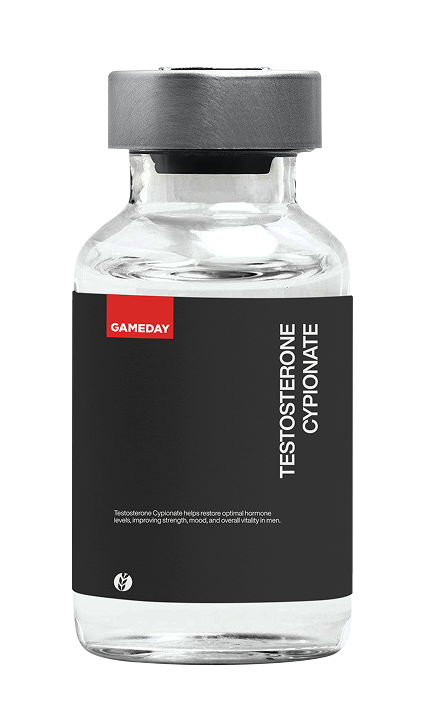
Close-up of a bottle of Testosterone Cypionate, a long-acting injectable testosterone medication prescribed to men seeking to restore hormone balance, energy, and vitality at Gameday Men's Health.
Steady Support
Strength
Best Seller

Testosterone Cypionate Injections

Testosterone Cypionate provides long-acting hormone support through periodic injections that maintain steady testosterone levels. This option enhances muscle strength, bone health and overall vitality. Beneficial for men with confirmed hormone deficiency and performance-focused goals.

Read More...
SEE TREATMENT
SEE TREATMENT
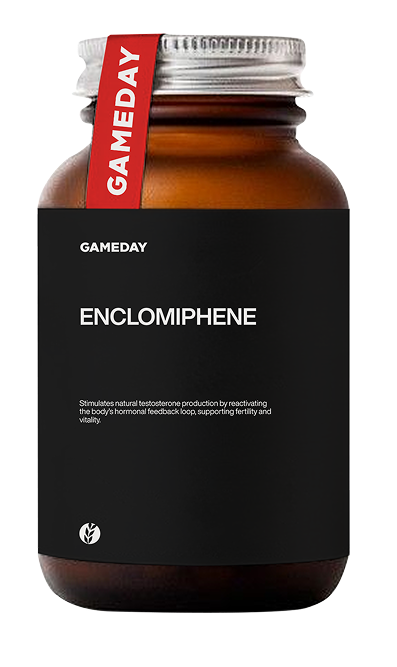
Enclomiphene oral prescription bottle used for testosterone support and fertility preservation at Gameday Men’s Health
Fertility
Hormone Balance
Best Seller

Enclomiphene

Enclomiphene is a prescription oral therapy that supports natural testosterone production by stimulating the body’s hormonal signaling pathways rather than replacing testosterone directly. By promoting luteinizing hormone (LH) release, enclomiphene helps restore testosterone levels while preserving fertility, making it a targeted option for men seeking hormone balance without testosterone injections.

Read More...
SEE TREATMENT
SEE TREATMENT
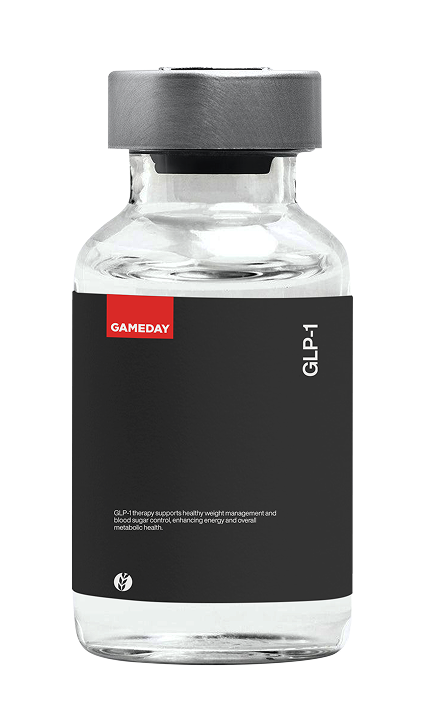
GLP-1 medication vial used for weekly weight loss injections at Gameday Men’s Health.
Balance
Best Seller

GLP-1 Medications

GLP-1 therapy supports appetite regulation and blood sugar control to help men achieve steady, sustainable weight loss and improved metabolic health. For men who have tried diet and exercise yet still struggle with excess weight or energy dips, GLP-1 offers a medically-supervised option that aligns with performance, wellness and hormonal balance.

Read More...
SEE TREATMENT
SEE TREATMENT
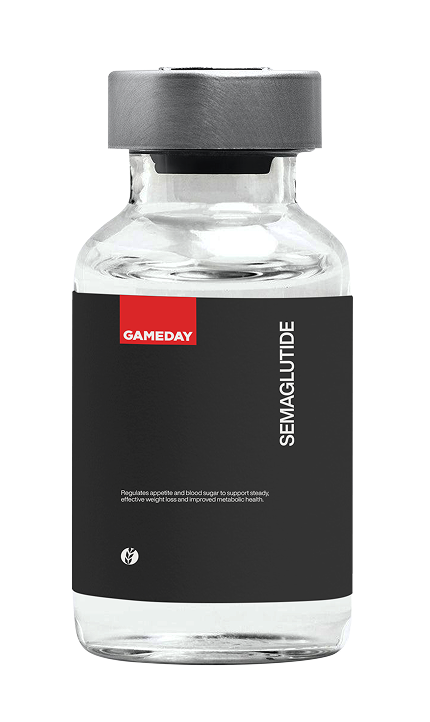
Semaglutide medication vial for medical weight-loss treatment at Gameday Men's Health.
Weight Loss
Appetite Control
Best Seller

Semaglutide

Semaglutide is a GLP-1 medication that helps reduce appetite, curb cravings, and improve metabolic function to support steady, sustainable weight loss. By slowing gastric emptying and improving insulin response, semaglutide makes it easier for men to stay consistent with nutrition and see meaningful progress. At Gameday Men’s Health, semaglutide is integrated into a personalized weight-management program designed to help men lose weight safely and effectively.

Read More...
SEE TREATMENT
SEE TREATMENT
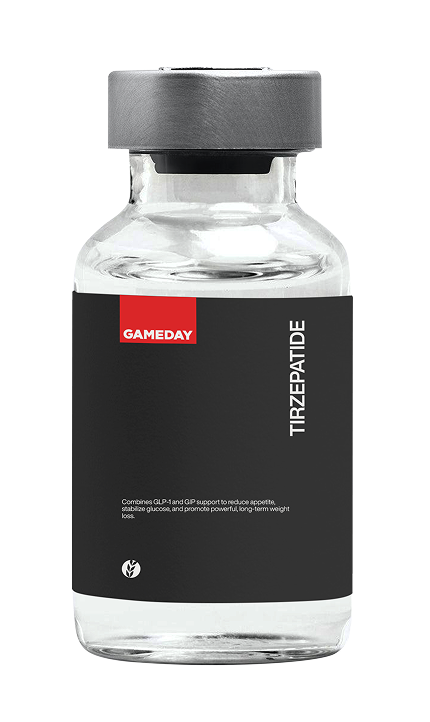
Gameday Men’s Health Tirzepatide injection vial designed for medical weight loss, appetite control, improved metabolic health, and long-term weight management support.
Metabolism Boost
Appetite Control
Best Seller

Tirzepatide

Tirzepatide GLP-1 is a dual-action metabolic therapy that supports weight control by improving insulin sensitivity, reducing appetite, and enhancing satiety. It helps regulate blood sugar levels and supports steady fat loss when combined with proper nutrition and lifestyle habits. This option is ideal for men seeking a guided, medically supervised approach to sustainable weight-management results.

Read More...
SEE TREATMENT
SEE TREATMENT
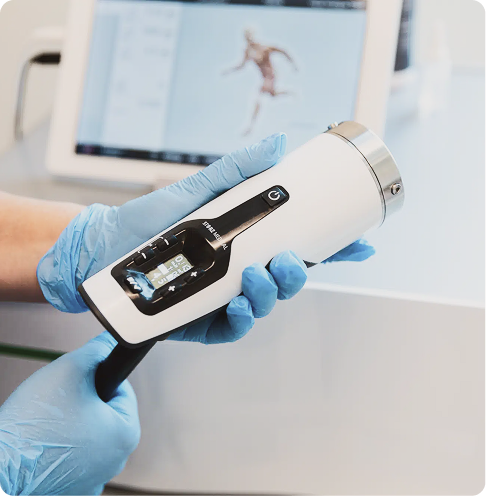
Close-up of a shockwave therapy device used in non-invasive erectile dysfunction treatment, designed to improve blood flow and stimulate new blood vessel growth at Gameday Men's Health.
Regeneration
Restoration
Best Seller

Shockwave Therapy for Erectile Dysfunction

Shockwave therapy for Erectile Dysfunction, uses low-intensity acoustic waves to stimulate new blood vessel growth and tissue regeneration. It’s a safe, non-invasive treatment that improves erectile function, sensation, and long-term performance without medication.

Read More...
SEE TREATMENT
SEE TREATMENT
Bottle of Vitamin B12 injection used for energy support and metabolic health at Gameday Men’s Health.
Energy
Best Seller

Vitamin B12 injections

Vitamin B12 injections help boost energy, improve focus and support metabolic health by delivering a potent dose of this essential nutrient directly into your bloodstream. At Gameday we use B12 to support red blood cell and nerve health in men who feel fatigued or need a reliable vitality boost.

Read More...
SEE TREATMENT
SEE TREATMENT
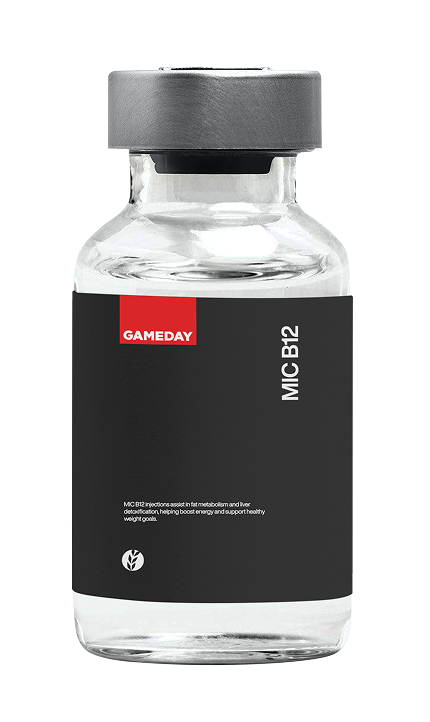
Vial of MIC B12 injection used for metabolism support and fat-burning treatment at Gameday Men’s Health.
Metabolism Boost
Best Seller

MIC B12 Injections

MIC B12 injections deliver key nutrients designed to support fat metabolism, improve liver function and enhance overall energy. Ideal for men who train hard, travel often or need an extra metabolic boost, this therapy complements your lifestyle and helps your body make the most of your effort.

Read More...
SEE TREATMENT
SEE TREATMENT
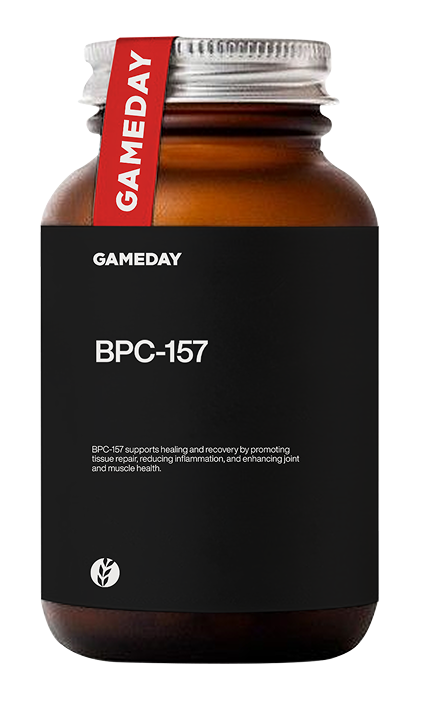
Oral BPC-157 peptide supplement bottle used in clinician-guided peptide therapy at Gameday Men’s Health
Joint Support
Best Seller

Oral BPC-157

BPC-157 supports tissue repair, reduces inflammation, and promotes recovery in muscles, tendons, and joints. It is ideal for men experiencing soreness, overuse injuries, or slowed recovery, helping restore comfort and mobility with guided clinical support.

Read More...
SEE TREATMENT
SEE TREATMENT
Fit man holding a Gameday Men's Health bottle, highlighting treatment options for boosting testosterone and supporting men’s wellness.Fit man holding a Gameday Men's Health bottle, highlighting treatment options for boosting testosterone and supporting men’s wellness.
Don’t Just Read About It,
Feel The Difference.
Thousands of men have already taken the first step toward stronger energy, better performance, and lasting confidence. The science is real — and the results speak for themselves. Ready when you are.

Related Articles

Fit man standing confidently in a gym environment, symbolizing strength, energy, and the role testosterone plays in men’s physical performance and overall health.
What Does Testosterone Do for Men?
Discover what testosterone does for men, how it affects physical, sexual, and mental health, and why balanced levels are essential for overall well-being.
Sad, thoughtful man sitting on the edge of the bed looking at his phone while his partner lies nearby, illustrating the emotional impact of erectile dysfunction and hormone imbalance.
Can Erectile Dysfunction Be Caused by Low Testosterone?
Learn how low testosterone may contribute to erectile dysfunction, how to recognize the signs, and why proper testing is essential for effective treatment.
Thoughtful man holding pills as he compares oral testosterone and injectable TRT treatments.
Oral Testosterone vs Injection: Which TRT Option Is Best for You?
Compare oral testosterone vs injections to understand effectiveness, convenience, results, and safety. Learn which TRT method fits your goals and how Gameday Men’s Health creates personalized treatment plans.
Man taking an oral TRT medication while considering side effects and long-term hormone health.
Oral TRT Side Effects: What Men Should Know in 2026
Learn the most common oral TRT side effects, how modern oral testosterone works, and how medical monitoring keeps treatment safe. Explore your personalized TRT options.
Couple enjoying time together in the kitchen, reflecting confidence, intimacy, and sexual health balance.
How to Maintain Sexual Health: A Men’s Guide for 2026
Discover how to maintain sexual health with proven lifestyle habits, hormone balance, stress reduction, and modern men’s health treatments. Learn practical steps to feel confident in 2026.
Man’s hand holding a vitamin supplement designed to support libido and sexual health.
Best Vitamins for Men’s Sexual Health
Discover the best vitamins for men’s sexual health. Learn how key nutrients support libido, testosterone, energy, and performance — and when to seek professional help.
Man and woman sitting apart on a bed looking concerned, illustrating relationship stress related to erectile dysfunction and medication side effects.
Does Lisinopril Cause Erectile Dysfunction?
Does lisinopril cause erectile dysfunction? Learn how blood pressure medications affect erections, what the research shows, and what men can do if ED occurs.
Thoughtful man standing by a window, reflecting on erectile dysfunction treatment options and long-term sexual health.
How to Cure Erectile Dysfunction: What Men Need to Know
Can erectile dysfunction be cured? Learn what causes ED, which types are reversible, and what treatments actually work for long-term improvement.
Man with diabetes holding a pill at home, reflecting how blood sugar control and diabetes can impact erectile function and sexual health.
Can Diabetes Cause Erectile Dysfunction? Understanding the Connection
Can diabetes cause erectile dysfunction? Learn how blood sugar affects erections, why ED is common in diabetic men, and what treatment options are available.
Close-up of a man examining his hairline, illustrating early signs and common causes of hair loss in men.
What Causes Hair Loss in Men?
Learn what causes hair loss in men, from genetics and hormones to stress and lifestyle factors, and when professional treatment may help.
Stressed man sitting at his office desk, illustrating how chronic stress and mental fatigue can contribute to erectile dysfunction in men.
Can Stress Cause Erectile Dysfunction?
Can stress cause erectile dysfunction? Learn how stress and anxiety affect erections, why stress-related ED is common, and what men can do to improve performance.
Thoughtful man sitting near a window, reflecting on symptoms and concerns associated with dangerously low testosterone levels.
What Is a Dangerously Low Testosterone Level?
What is a dangerously low testosterone level? Learn lab ranges, symptoms, health risks, and when men should seek medical evaluation.