Reviewed by: Dr. Hal and Gameday's Medical Advisory Board
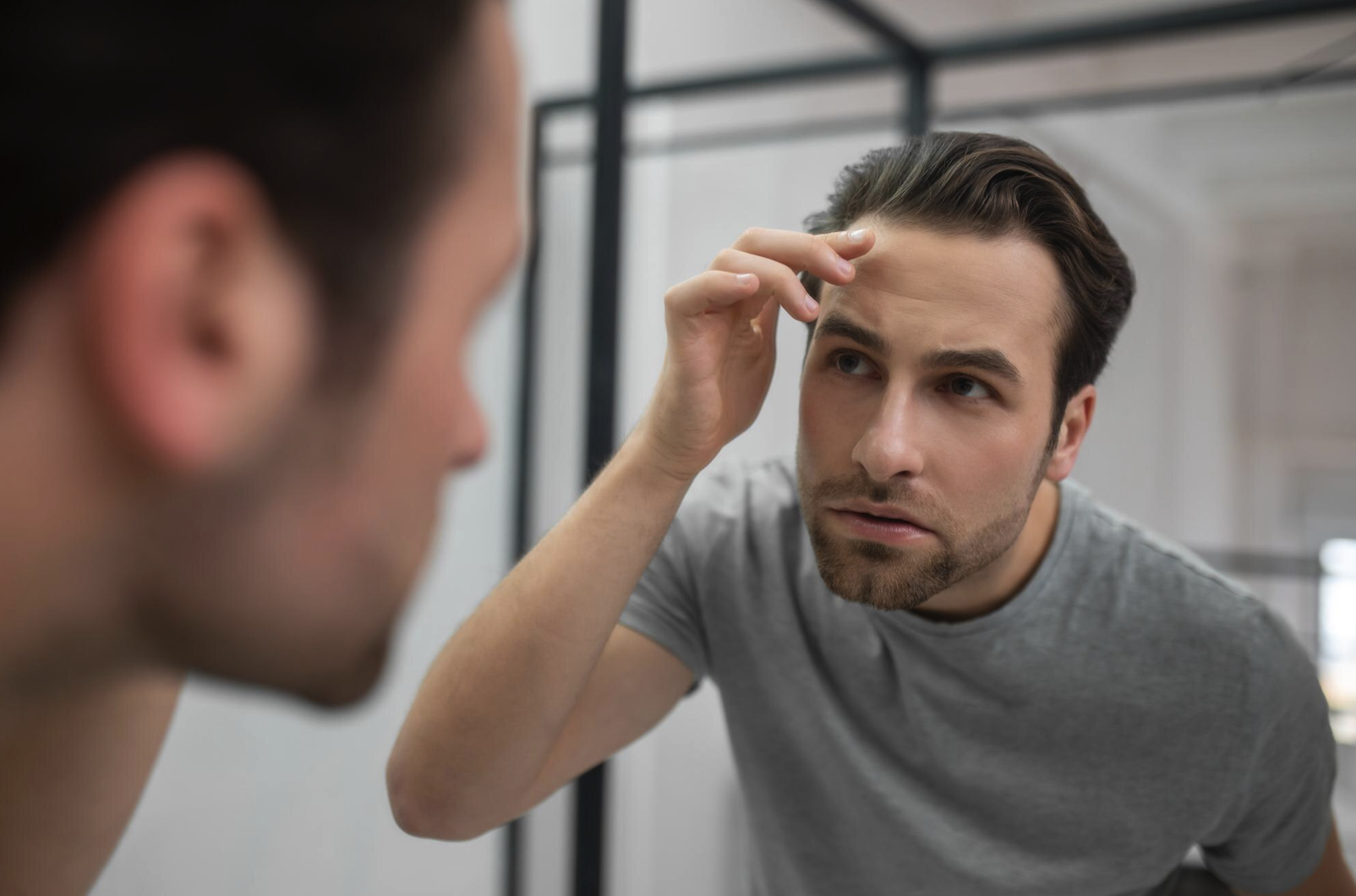
Hair loss is a common concern for men, and for many, it begins gradually, often with subtle thinning or a receding hairline that becomes more noticeable over time. While genetics play a major role in how quickly men lose their hair, the impact can feel overwhelming, especially when it starts to affect your appearance and confidence. By age 50, as many as 85% of men will have significantly thinning hair. (1)
One of the most widely used treatments for male pattern baldness is finasteride. It’s often recommended by healthcare providers and has been studied extensively for its role in slowing hair loss. But for men considering this hair loss treatment, one question comes up more than any other: does finasteride actually regrow hair, or does it simply prevent further loss?
The answer isn’t entirely straightforward. While finasteride can lead to regrowth in some men, its primary benefit is often stabilizing hair loss and preserving what you already have. Understanding how finasteride works and what to realistically expect when using it can help men make informed decisions about their treatment options
What Is Finasteride?
Finasteride is an oral medication commonly prescribed to treat male pattern hair loss, also known as androgenetic alopecia. It is typically taken once daily and works from within the body rather than being applied to the scalp.
The key factor behind male pattern hair loss is a hormone called dihydrotestosterone, or DHT. This hormone is derived from testosterone and plays a role in shrinking hair follicles over time. As follicles become smaller, they produce thinner, weaker hairs until growth eventually stops. (2)
Finasteride addresses this issue by targeting the hormonal pathway responsible for DHT production. Specifically, it inhibits an enzyme known as 5-alpha reductase, which converts testosterone into DHT. By lowering DHT levels, finasteride helps protect hair follicles from further damage. (3)
Because it works systemically, finasteride is often used as a long-term treatment for men looking to slow or manage ongoing hair loss.
How Finasteride Works to Treat Hair Loss
To understand how finasteride works, it helps to look more closely at the role of DHT in hair loss.
DHT binds to receptors in hair follicles, particularly in areas like the hairline and crown. In men who are genetically sensitive to this hormone, DHT gradually shrinks the follicles in a process called miniaturization. Over time, this leads to shorter, finer hairs and eventually stops growth altogether. (4)
Finasteride reduces the amount of DHT circulating in the body and in the scalp. With less DHT available, hair follicles are less likely to undergo miniaturization. This creates a more stable environment for hair growth.
Rather than directly stimulating new growth, finasteride helps maintain follicle health and slows the overall progression of hair loss. It can also help extend the growth phase of the hair cycle, allowing existing hairs to grow longer and thicker.
This distinction is important for men to understand before starting treatment. Finasteride is not a quick fix or a direct growth stimulant. Instead, it works behind the scenes to address the root cause of hair loss in many men.
Does Finasteride Actually Regrow Hair?
So, does finasteride actually regrow hair? In some cases, the answer may be yes. However, that is not the medication’s primary function.
Many men who take finasteride experience stabilization of their hair loss. This means that shedding slows down or stops, and their existing hair is preserved. For a significant number of users, this may be considered a successful outcome, as it substantially slows down hair loss.
In addition to slowing hair loss, some men may also notice regrowth. This is more likely to occur in areas where hair follicles are still active but weakened, rather than in areas that are completely bald. (5) Regrowth often appears as thicker, fuller hair rather than entirely new strands in previously bare spots.
Several factors influence whether regrowth occurs, including how early treatment begins and how responsive an individual is to the medication.
In general:
- Finasteride is more effective at maintaining existing hair than restoring lost hair
- Regrowth is possible, especially in the crown area
- Results won’t be the same for each patient and can vary significantly from one man to another.
Starting treatment early tends to produce better outcomes. Once hair follicles have been inactive for a long period, they are less likely to recover, even with treatment.
How Long Does Finasteride Take to Show Results?
Hair growth is a gradual process, and finasteride works over time rather than delivering immediate changes. Understanding the typical timeline can help set realistic expectations and reduce frustration early on in the process.
Most men begin to notice subtle changes within a few months, though visible improvements often take longer. Typical timelines may include: (6)
- 1 to 3 months: The finasteride starts working, with DHT levels reducing significantly
- 3 to 6 months: Results start to become visible; shedding stabilizes
- 6 months: Early signs of improved thickness or density
- 12 months: More noticeable results for most men, including potential regrowth in some areas
Because hair grows in cycles, it takes time for healthier follicles to produce stronger strands. Consistency is key during this period. Missing doses or stopping treatment can interrupt progress and delay results.
Patience is an important part of the process for men using hair loss medication like finasteride. While it can be tempting to expect quick changes, finasteride is designed to work gradually, supporting long-term hair health rather than immediate transformation.
What Factors Influence Finasteride Results?
Not all men experience the same results with finasteride. Several factors can influence how effective the treatment is, and understanding these can help set more personalized expectations.
These key factors include: (7)
- Stage of hair loss: Men in earlier stages tend to see better outcomes because more follicles are still active
- Age: Younger men may respond more quickly, though finasteride can be effective at various ages
- Genetics: Individual sensitivity to DHT and overall hair growth patterns play a significant role
- Consistency of treatment: Taking the medication daily as prescribed is critical for maintaining the best possible results
It’s also important to consider that hair loss is a progressive condition. Even with treatment, the goal is often to slow or manage the process rather than completely reverse it. Regular evaluation and monitoring can help determine whether the treatment is working as expected and whether any adjustments from your clinician are needed.
What Happens If You Stop Taking Finasteride?
Finasteride works by continuously reducing DHT levels. If you stop taking the medication, those levels will gradually return to baseline.
When this happens, the underlying process of hair loss resumes, and over time, hair that was improved during treatment may begin to thin again.
This doesn’t happen overnight, but changes can become noticeable within a few months of discontinuing the medication. The timeline varies depending on the individual and how long they were on treatment, as well as what results they experienced.
It’s important to think of finasteride as an ongoing commitment rather than a short-term solution. Maintaining results typically requires continued use. If you’re considering stopping or adjusting your treatment, it’s a good idea to speak with a trusted clinician like Gameday Men’s Health to understand what to expect and explore alternative options if needed.
Combining Finasteride With Other Hair Loss Treatments
Because finasteride targets the hormonal cause of hair loss, it is often used alongside other treatments that focus on different aspects of hair growth.
One common approach is combining finasteride with topical treatments like minoxidil. While finasteride helps reduce DHT and protect follicles, minoxidil works at the scalp level to stimulate growth and improve hair thickness.
This combination can provide a more comprehensive approach by addressing both the cause and the visible effects of hair loss.
Other complementary strategies for hair loss may include:
- Lifestyle adjustments that support overall hair health
- Nutritional support to address deficiencies
- Scalp care routines that promote a healthy environment for growth
Your clinician will work with you to determine the best action plan for maintaining or regrowing your hair. Not every individual needs combination therapy, but it is often recommended when a more aggressive approach is needed.
How Gameday Men’s Health Approaches Hair Loss Treatment
At Gameday Men’s Health, we approach hair loss treatment with a focus on personalization and long-term results. Rather than relying on a single solution, our goal is to create a plan that reflects each individual’s needs, goals, and overall health profile.
At Gameday, the process begins with a detailed evaluation. This includes assessing the pattern and progression of hair loss, reviewing the patient’s medical history, and discussing expectations for treatment.
From there, a tailored plan may include finasteride as part of a broader strategy. In some cases, this may involve combination therapy or adjustments based on how the patient responds over time.
Ongoing monitoring is also an essential part of the process. Hair growth takes time, and regular follow-ups allow for adjustments that keep the treatment effective and aligned with the patient’s goals.
It’s also essential that patients understand how finasteride works, what results to expect, and how to stay consistent during treatment. Beyond hair loss, Gameday Men’s Health takes a comprehensive approach to men’s wellness, helping patients address factors that impact their overall health, confidence, and quality of life.
What This Means for Your Hair Loss Plan
Finasteride is one of the most effective tools available for managing male pattern hair loss, particularly when it comes to slowing progression and preserving existing hair. While it can lead to regrowth in some men, its primary strength lies in protecting hair follicles from ongoing damage.
If you’re considering finasteride, understanding how it works and what to expect can help you approach treatment with confidence. With the right plan and medical guidance, finasteride can play a valuable role in maintaining and improving your hair over the long term.
If you are ready to take back control of your hair loss, or if you’re just curious to learn more about how finasteride, minoxidil, and other hair-loss treatments work, contact your local Gameday Men’s Health today to schedule a consultation.