Reviewed by: Dr. Hal and Gameday's Medical Advisory Board
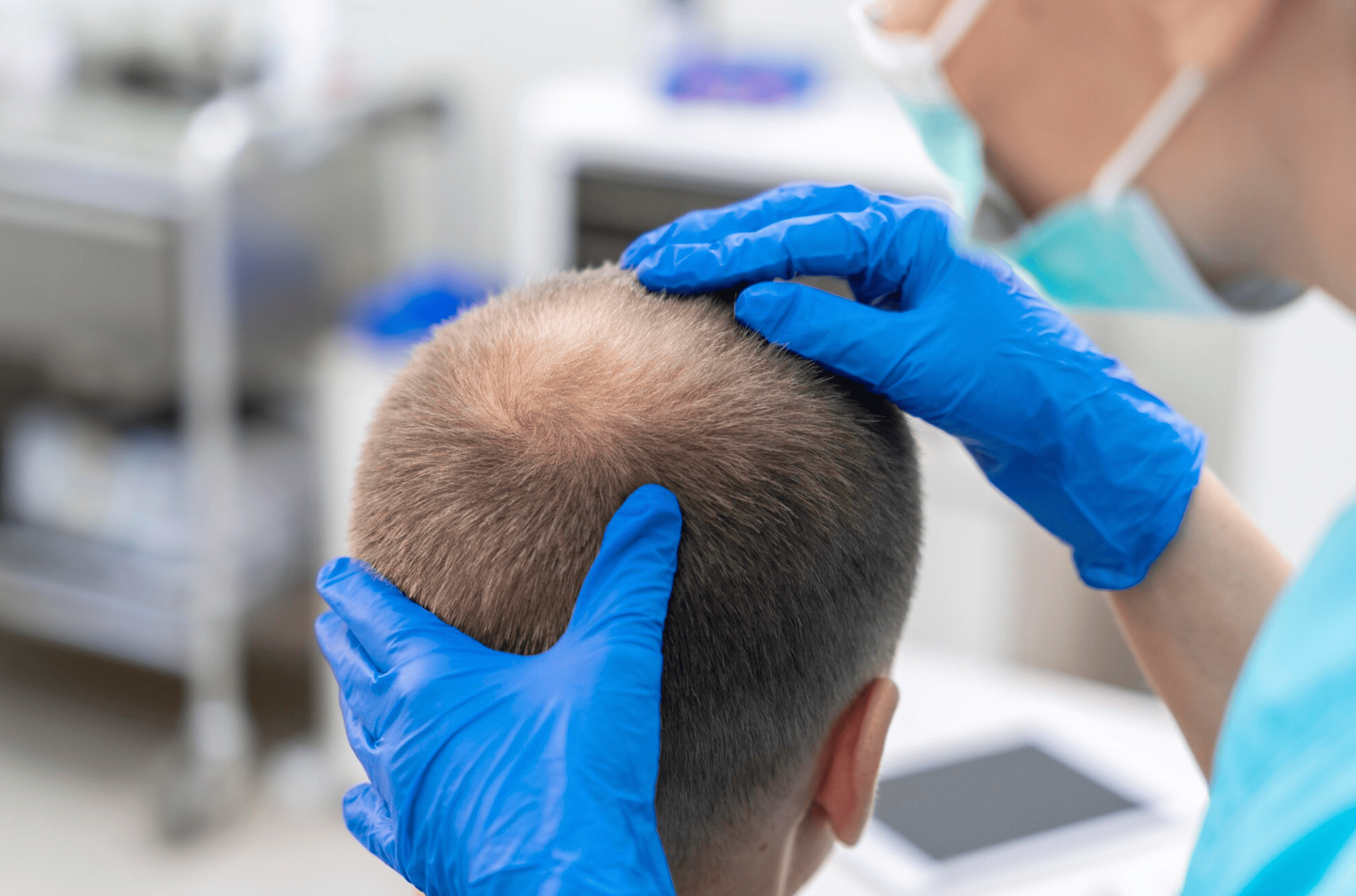
Finasteride is one of the most commonly prescribed treatments for male pattern hair loss. For men who notice thinning hair, a receding hairline, or increased shedding, finasteride can be an effective way to limit hair loss. However, many men hesitate before starting treatment, worrying about potential side effects.
While it always makes sense to proceed with caution, the good news is that most men who take finasteride tolerate the medication well, and serious side effects are relatively uncommon. Still, knowing what side effects are possible can help you make an informed decision before beginning finasteride.
In this guide, we’ll break down how finasteride works, the types of side effects that may occur, and how clinicians help manage them so you can approach hair loss treatment with a clear understanding about what to expect.
What Is Finasteride and How Does It Work?
Finasteride is an oral medication approved for the treatment of male pattern baldness, also known as androgenetic alopecia. It works by targeting a specific hormone involved in hair loss called dihydrotestosterone, or DHT. (1)
DHT is a derivative of testosterone. In men who are genetically sensitive to it, DHT binds to hair follicles and gradually shrinks them over time. This process leads to thinner hair, slower growth, and eventually follicles that stop producing visible hair altogether. (2)
Finasteride works by inhibiting the enzyme 5-alpha reductase, which is responsible for converting testosterone into DHT. By lowering DHT levels in the scalp and bloodstream, finasteride helps slow or even stop the progression of hair loss. (3) In some cases, it can also promote regrowth in areas where follicles are still active.
Because finasteride acts on a hormonal pathway, some men wonder how those changes might affect other parts of the body and what side effects they should expect.
Common Side Effects of Finasteride
Most men who take finasteride experience little to no noticeable side effects. When side effects do occur, they are typically mild and often resolve over time as the body adjusts to the medication.
The most commonly reported effects are related to changes in hormone levels. Since finasteride reduces DHT, it can slightly shift the balance between testosterone and other hormones in the body. This shift is usually small, but in some individuals, it may lead to temporary symptoms.
Some men report changes in sexual function, such as reduced libido or mild difficulty maintaining an erection; however, studies have shown that these effects are typically found in less than 10% of patients. (4) Others have also noticed a decrease in ejaculate volume. If men experience sexual function disruptions on finasteride, continued use or dose adjustment typically helps resolve the issue.
Some men also report changes in physical or mental well-being while adjusting to a medication that influences hormones. This may take time to stabilize, but is typically a temporary side effect that resolves within a few weeks or months.
While sexual dysfunction and temporary hormonal changes are the most common side effects of finasteride, it’s important to remember that they are relatively uncommon and most men take the medication without any noticeable changes outside of improved hair retention.
The key takeaway is that while side effects are possible, they are not inevitable. Many men take finasteride without experiencing any noticeable changes outside of improved hair retention.
Less Common Side Effects
Although rare, there are some less common side effects that are worth understanding. While these effects are rare, being aware of them keeps men informed and allows for better monitoring and intervention from a clinician if needed.
Some men report changes in mood, including feelings of low energy, irritability, or mild depressive symptoms when using finasteride. The relationship between finasteride and mood is still being studied, and it is not always clear whether the medication is the direct cause. In some cases, it may even be caused by sexual dysfunction that is occurring as a side effect of the medication. (5)
Another less common effect that’s sometimes experienced is breast tenderness in men (gynecomastia). This may occur because of slight hormonal shifts that influence estrogen levels. In rare cases, men may notice swelling or discomfort in the chest. (6) If you notice this as a side effect of finasteride, talk to your clinician immediately.
These side effects are uncommon, but they highlight the importance of staying aware of changes in your body. Early communication allows clinicians to adjust treatment if necessary.
Why Side Effects Vary Between Individuals
Not every man will respond to finasteride in the same way. Some experience no side effects at all, while others may notice subtle changes in the body. This variability comes down to a combination of biological and lifestyle factors.
Hormonal differences play a major role. Each person has a unique baseline level of testosterone, DHT, and other hormones. When finasteride reduces DHT, the resulting balance may feel different depending on where you started.
Dosage also plays a major role. While the standard finasteride dosage for hair loss is relatively low, even small differences can sometimes influence how the body responds. Some men are more sensitive to hormonal changes and may notice effects more quickly.
Genetics also influence how your body metabolizes medications. This includes how efficiently you process finasteride and how your hormone receptors respond to changes. Lifestyle factors like sleep quality, stress level, diet, and physical activity can also impact hormone balance. In some cases, what appears to be a medication side effect may actually be influenced by these broader factors.
Understanding this variability can help set realistic expectations while reinforcing the value of personalized care from a trusted clinician like Gameday when starting any treatment.
How Clinicians Help Manage Potential Side Effects
Working with a trusted clinician is essential when starting finasteride treatment. A good clinician avoids a one-size-fits-all approach and instead focuses on monitoring, dosing, adjustments, and communication.
One of the first steps when starting hair loss treatment is establishing a baseline. This may include discussing your medical history, current symptoms, and overall health goals. In some cases, clinicians may recommend lab testing to better understand your hormone levels before starting treatment.
Once finasteride is initiated, ongoing monitoring is key, as clinicians can make adjustments if needed. If side effects do occur or don’t reduce over time, there are several strategies that can help manage them:
- Adjusting the dosage to find a level that balances effectiveness with comfort
- Modifying the frequency of use, such as taking the medication every other day
- Combining finasteride with other treatments to reduce reliance on a single approach
- Switching to another treatment option that may work better, such as minoxidil
These adjustments are often effective in minimizing side effects while still supporting hair preservation. Remember, if something feels off, it is important to speak with a clinician rather than discontinuing treatment abruptly or ignoring symptoms.
What Happens If You Stop Taking Finasteride?
Finasteride works by actively suppressing DHT levels. When you stop taking the medication, that suppression gradually fades.
Over time, DHT levels return to their natural baseline. As this happens, the underlying process of male pattern hair loss resumes. Hair that was preserved or regrown during treatment may begin to thin again, typically over the course of several months.
It is important to understand that finasteride does not permanently alter the hair loss process. Instead, it manages it while the medication is being used. This means that consistency is key for maintaining results.
In terms of side effects, most men who discontinue finasteride find that any related symptoms resolve over time. The body returns to its previous hormonal balance, and any temporary changes typically fade.
If you are considering stopping the medication, it is a good idea to discuss it with a clinician first. They can help you understand what to expect and explore alternative options to continue your hair loss treatment without reversing your progress.
Combining Finasteride With Other Hair Loss Treatments
Finasteride is often just one option when it comes to hair loss strategy. For some men, the best possible results come when finasteride is combined with other treatments that address hair loss from different angles.
For instance, many men may benefit from combining finasteride and minoxidil. Minoxidil works by improving blood flow to the scalp and stimulating hair follicles, which can enhance growth and thickness. (7) The two medications together may improve overall hair density more than using one treatment alone.
Other options for combined treatment may include:
- Low-level laser therapy to support follicle activity
- Nutritional support to address deficiencies that affect hair health
- Platelet-rich plasma treatments, which use your body’s own growth factors to stimulate follicles
By combining treatments, clinicians can create a more comprehensive plan that maximizes results while potentially reducing the need for higher doses of any single therapy.
How Gameday Men’s Health Approaches Hair Loss Treatment
At Gameday Men’s Health, we view hair loss as part of a bigger picture for overall men’s health. Rather than focusing on a single symptom, our goal is to support overall health, restoration, and renewed confidence through personalized care.
Our treatment plans are tailored to each individual, rather than taking a broad approach with each patient. This includes evaluating hormone levels, lifestyle factors, and specific hair loss patterns so each man can be on the best path forward toward restorative hair growth. Finasteride may be recommended as part of that plan, but it is never treated as the only solution.
Our clinicians work closely with patients to track progress, address concerns, and make adjustments when needed. This helps ensure that treatment remains both effective and well tolerated.
In addition to hair loss solutions, Gameday Men’s Health offers comprehensive services that support energy, mood, and long-term wellness. This integrated approach allows men to address multiple aspects of their health at once, rather than treating each issue in isolation.
If you are considering finasteride or want to explore all of your options for hair restoration while minimizing side effects, contact your local Gameday Men’s Health location today to schedule a consultation.