Smiling man in yellow cap holds coffee outside café, reflecting vitality—clomid therapy.

What Age Should You Start Clomid Therapy?

Feb 5th, 2025
1
Min Read

Article / What Age Should You Start Clomid Therapy?

Clomid, a medication traditionally used to treat female infertility, has emerged as a promising treatment option for certain male fertility issues. When it comes to male infertility, identifying the underlying cause is crucial for determining the most effective treatment approach. Clomid therapy can be particularly beneficial for men with specific hormone imbalances or unexplained infertility.

Understanding Clomid Therapy for Men

Clomid, also known as clomiphene citrate, is an oral medication that has been used for decades to stimulate ovulation in women with fertility challenges. But recent research has shown that Clomid can also be an effective treatment for some cases of male infertility.

In men, Clomid works by blocking estrogen receptors in the brain, which triggers the pituitary gland to produce more follicle-stimulating hormone (FSH) and luteinizing hormone (LH). These hormones play a key role in stimulating testosterone production and sperm development in the testes.

By increasing FSH and LH levels, Clomid can naturally boost testosterone levels, improve sperm count, motility, and morphology—enhancing overall fertility potential. The medication is typically taken orally, with the dosage and duration of treatment tailored to each individual’s specific needs.

If you're experiencing hormonal imbalances or unexplained infertility, Clomid may be a valuable treatment option to help restore natural testosterone levels and improve fertility outcomes.

Who Can Benefit from Clomid Therapy

Clomid therapy can be an effective treatment option for men with certain types of infertility, particularly those related to hormonal imbalances or unexplained factors. Some specific situations where Clomid may be recommended include:

  • Hypogonadotropic hypogonadism: This condition occurs when the pituitary gland doesn't produce enough FSH and LH, leading to low testosterone levels and impaired sperm production. Clomid can help stimulate the pituitary gland to increase hormone production and improve fertility.
  • Unexplained infertility: In some cases, a comprehensive fertility evaluation may not reveal a clear cause for a couple's inability to conceive. Clomid therapy may be suggested as an empirical treatment to improve sperm parameters and increase the chances of conception.
  • Borderline low testosterone levels: Men with testosterone levels on the lower end of the normal range may benefit from Clomid therapy to boost hormone production and improve sperm quality.

The Ideal Age Range for Clomid Therapy

While Clomid therapy can be effective for men of various ages, the ideal age range for treatment tends to be between 25 and 45 years old. This is because testosterone levels and sperm production naturally decline as men age, which can impact the effectiveness of the medication.

Younger men, particularly those in their 20s and early 30s, may experience the most significant improvements in hormone levels and sperm parameters when taking Clomid. Their bodies are typically more responsive to the medication, and they have a higher baseline testosterone production compared to older men.

For men in their late 30s and 40s, Clomid therapy can still be beneficial, but the results may be more modest. As natural testosterone production decreases with age, the medication may not be as effective in stimulating hormone production and improving sperm quality. Still, this doesn't mean that older men should not consider Clomid therapy; it simply highlights the importance of realistic expectations and individualized treatment plans.

Maximizing the Benefits of Clomid Therapy

To get the most out of Clomid therapy, it's essential to take a holistic approach to your fertility journey. In addition to taking the medication as prescribed, there are several steps you can take to enhance the effectiveness of the treatment:

  • Maintain a healthy lifestyle: Eating a balanced diet, exercising regularly, managing stress, and getting enough sleep can all contribute to improved hormone levels and sperm quality.
  • Avoid harmful substances: Smoking, excessive alcohol consumption, and certain recreational drugs can negatively impact sperm production and overall fertility. Minimizing or eliminating these substances can help optimize the effects of Clomid therapy.

By taking a comprehensive approach to Clomid therapy you can maximize the potential benefits of the treatment and improve your chances of achieving your dream of fatherhood.

Is Clomid Therapy Right for You?

Some key factors that may indicate Clomid therapy could be an appropriate treatment option for you include:

  • Abnormal hormone levels: If blood tests reveal that your testosterone, FSH, or LH levels are lower than normal, Clomid may help stimulate hormone production and improve your fertility potential.
  • Absence of certain underlying conditions: Clomid therapy is most effective for men with specific types of infertility, such as hypogonadotropic hypogonadism or unexplained infertility. If you have primary testicular failure or certain genetic conditions affecting sperm production, Clomid may not be the most suitable treatment option.
  • Overall health and lifestyle factors: Your doctor will also consider your age, general health, and lifestyle habits when determining if Clomid therapy is right for you. Men who are in good overall health and are willing to make necessary lifestyle changes may be good candidates for this treatment.

Frequently Asked Questions

How does Clomid work for male infertility?

Clomid works by blocking estrogen receptors in the brain, which stimulates the pituitary gland to produce more follicle-stimulating hormone (FSH) and luteinizing hormone (LH). These hormones are essential for testosterone production and sperm development in the testes. By increasing FSH and LH levels, Clomid can help improve sperm count, motility, and morphology, thereby enhancing a man's fertility potential.

What are the side effects of Clomid in men?

Most men tolerate Clomid well, with few reported side effects. Some potential side effects may include:

  • Hot flashes
  • Mood swings
  • Blurred vision
  • Headaches

These side effects are usually mild and subside once the treatment is completed. If you experience any severe or persistent side effects, contact your healthcare provider immediately.

At Gameday Men's Health, our experienced team of healthcare professionals is dedicated to helping men overcome infertility and achieve their dream of fatherhood. If you're struggling with infertility and believe Clomid therapy may be right for you, schedule an appointment with one of our specialists today. We'll work with you to develop a personalized treatment plan that addresses your unique needs and maximizes your chances of success.


References Links
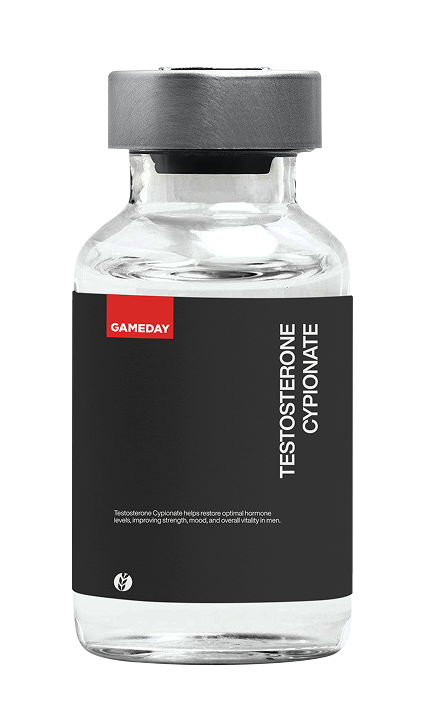
Close-up of a bottle of Testosterone Cypionate, a long-acting injectable testosterone medication prescribed to men seeking to restore hormone balance, energy, and vitality at Gameday Men's Health.
Steady Support
Strength
Best Seller

Testosterone Cypionate Injections

Testosterone Cypionate provides long-acting hormone support through periodic injections that maintain steady testosterone levels. This option enhances muscle strength, bone health and overall vitality. Beneficial for men with confirmed hormone deficiency and performance-focused goals.

Read More...
SEE TREATMENT
SEE TREATMENT
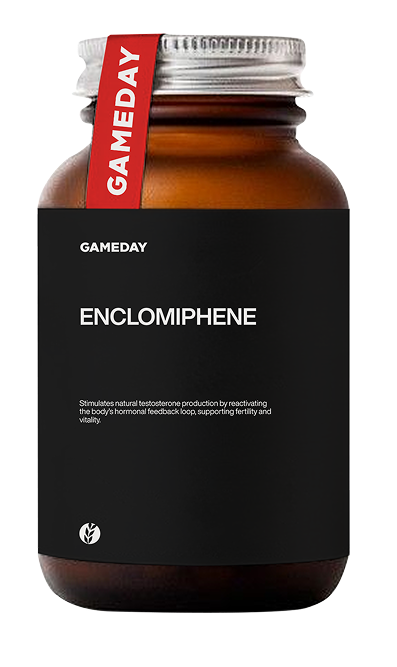
Enclomiphene oral prescription bottle used for testosterone support and fertility preservation at Gameday Men’s Health
Fertility
Hormone Balance
Best Seller

Enclomiphene

Enclomiphene is a prescription oral therapy that supports natural testosterone production by stimulating the body’s hormonal signaling pathways rather than replacing testosterone directly. By promoting luteinizing hormone (LH) release, enclomiphene helps restore testosterone levels while preserving fertility, making it a targeted option for men seeking hormone balance without testosterone injections.

Read More...
SEE TREATMENT
SEE TREATMENT
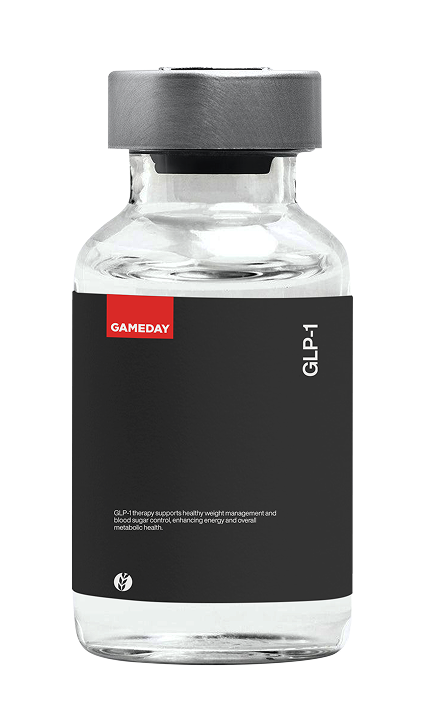
GLP-1 medication vial used for weekly weight loss injections at Gameday Men’s Health.
Balance
Best Seller

GLP-1 Medications

GLP-1 therapy supports appetite regulation and blood sugar control to help men achieve steady, sustainable weight loss and improved metabolic health. For men who have tried diet and exercise yet still struggle with excess weight or energy dips, GLP-1 offers a medically-supervised option that aligns with performance, wellness and hormonal balance.

Read More...
SEE TREATMENT
SEE TREATMENT
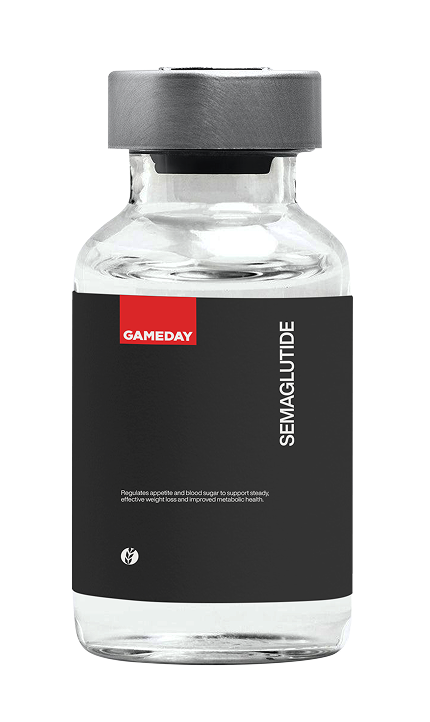
Semaglutide medication vial for medical weight-loss treatment at Gameday Men's Health.
Weight Loss
Appetite Control
Best Seller

Semaglutide

Semaglutide is a GLP-1 medication that helps reduce appetite, curb cravings, and improve metabolic function to support steady, sustainable weight loss. By slowing gastric emptying and improving insulin response, semaglutide makes it easier for men to stay consistent with nutrition and see meaningful progress. At Gameday Men’s Health, semaglutide is integrated into a personalized weight-management program designed to help men lose weight safely and effectively.

Read More...
SEE TREATMENT
SEE TREATMENT
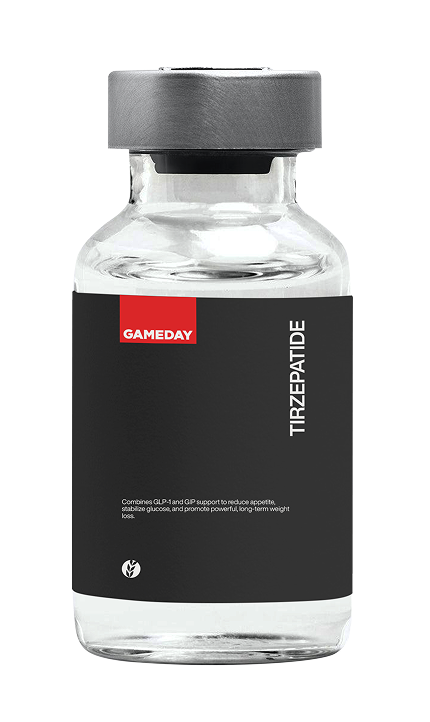
Gameday Men’s Health Tirzepatide injection vial designed for medical weight loss, appetite control, improved metabolic health, and long-term weight management support.
Metabolism Boost
Appetite Control
Best Seller

Tirzepatide

Tirzepatide GLP-1 is a dual-action metabolic therapy that supports weight control by improving insulin sensitivity, reducing appetite, and enhancing satiety. It helps regulate blood sugar levels and supports steady fat loss when combined with proper nutrition and lifestyle habits. This option is ideal for men seeking a guided, medically supervised approach to sustainable weight-management results.

Read More...
SEE TREATMENT
SEE TREATMENT
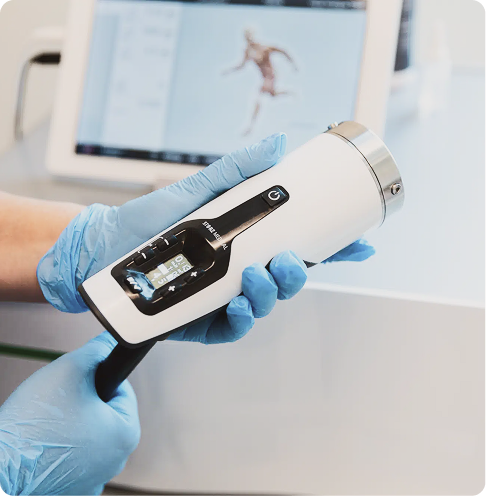
Close-up of a shockwave therapy device used in non-invasive erectile dysfunction treatment, designed to improve blood flow and stimulate new blood vessel growth at Gameday Men's Health.
Regeneration
Restoration
Best Seller

Shockwave Therapy for Erectile Dysfunction

Shockwave therapy for Erectile Dysfunction, uses low-intensity acoustic waves to stimulate new blood vessel growth and tissue regeneration. It’s a safe, non-invasive treatment that improves erectile function, sensation, and long-term performance without medication.

Read More...
SEE TREATMENT
SEE TREATMENT
Bottle of Vitamin B12 injection used for energy support and metabolic health at Gameday Men’s Health.
Energy
Best Seller

Vitamin B12 injections

Vitamin B12 injections help boost energy, improve focus and support metabolic health by delivering a potent dose of this essential nutrient directly into your bloodstream. At Gameday we use B12 to support red blood cell and nerve health in men who feel fatigued or need a reliable vitality boost.

Read More...
SEE TREATMENT
SEE TREATMENT
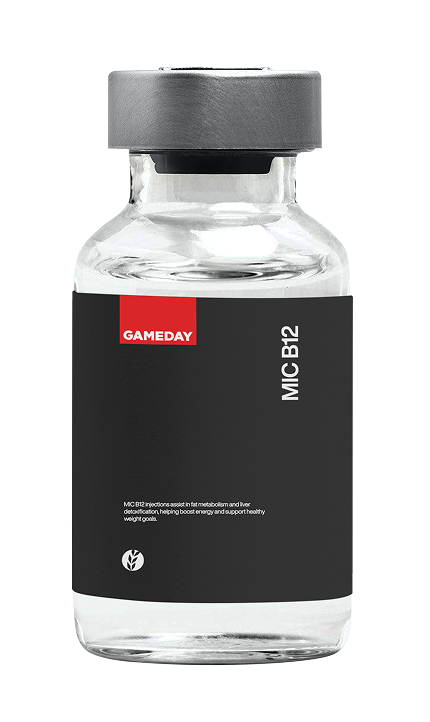
Vial of MIC B12 injection used for metabolism support and fat-burning treatment at Gameday Men’s Health.
Metabolism Boost
Best Seller

MIC B12 Injections

MIC B12 injections deliver key nutrients designed to support fat metabolism, improve liver function and enhance overall energy. Ideal for men who train hard, travel often or need an extra metabolic boost, this therapy complements your lifestyle and helps your body make the most of your effort.

Read More...
SEE TREATMENT
SEE TREATMENT
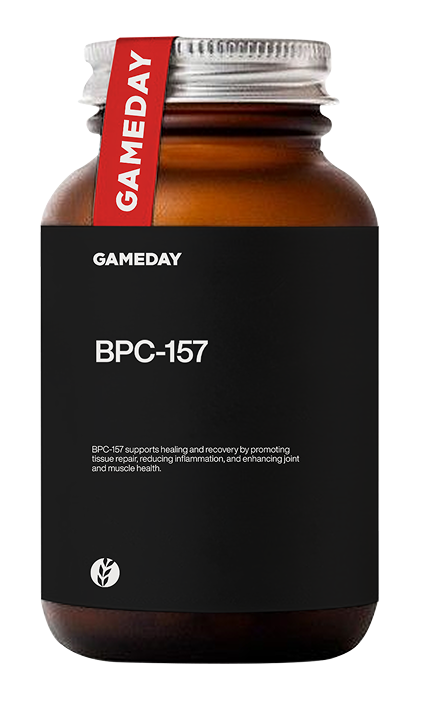
Oral BPC-157 peptide supplement bottle used in clinician-guided peptide therapy at Gameday Men’s Health
Joint Support
Best Seller

Oral BPC-157

BPC-157 supports tissue repair, reduces inflammation, and promotes recovery in muscles, tendons, and joints. It is ideal for men experiencing soreness, overuse injuries, or slowed recovery, helping restore comfort and mobility with guided clinical support.

Read More...
SEE TREATMENT
SEE TREATMENT
Fit man holding a Gameday Men's Health bottle, highlighting treatment options for boosting testosterone and supporting men’s wellness.Fit man holding a Gameday Men's Health bottle, highlighting treatment options for boosting testosterone and supporting men’s wellness.
Don’t Just Read About It,
Feel The Difference.
Thousands of men have already taken the first step toward stronger energy, better performance, and lasting confidence. The science is real — and the results speak for themselves. Ready when you are.

Related Articles

Man applying hair loss treatment to scalp while looking in mirror
Does Minoxidil Work? What Men Should Know About Hair Loss Treatment
Does minoxidil work for hair loss? Learn how this treatment supports hair growth, what results to expect, and how consistency affects outcomes.
Man receiving IV therapy in clinic while seated and monitored
NAD+ Injection Side Effects: What to Know Before Treatment
Learn about possible NAD+ injection side effects, how the therapy works, and what men should know before considering NAD+ wellness treatments.
Man examining thinning hair in mirror at home
Hair Loss and Hair Thinning: What’s the Difference?
Learn the difference between hair loss and hair thinning, common causes in men, and treatment options including PRP therapy, minoxidil, and finasteride.
Man receiving IV therapy treatment in a medical clinic
NAD+ Injections Benefits: What Men Should Know
Discover potential benefits of NAD+ injections, how NAD+ supports cellular energy, and why this therapy is gaining attention in men’s wellness care.
Doctor discussing treatment options with male patient in clinic
Testosterone Pellets vs Injections: What’s the Difference?
Learn the differences between testosterone pellets and injections, how each form of TRT works, and which option may suit your lifestyle and treatment goals.
Man standing near a wall in a thoughtful pose, representing awareness and considerations around finasteride side effects
Finasteride Side Effects: What to Expect
Learn about potential finasteride side effects, how the medication works, and what men should know when considering treatment for hair loss.
Medical professional checking scalp and hairline during consultation, illustrating how finasteride may support hair restoration
Does Finasteride Regrow Hair? What Men Should Know
Does finasteride regrow hair? Learn how this treatment works, what results to expect, and how it supports men experiencing hair loss.
Man looking closely in the mirror as he notices early hair loss and thinning at the hairline.
How to Prevent Hair Loss in Men
Learn how to prevent hair loss in men, what causes thinning hair, and which treatments can help slow loss and support regrowth.
Thoughtful man sitting and reflecting, representing concerns and potential side effects associated with minoxidil use
Minoxidil Side Effects: What to Know Before Using It
Learn about common and potential minoxidil side effects, why they occur, and what men should know before starting this popular hair loss treatment.
Man looking at his hair in the mirror, representing comparison between minoxidil vs finasteride treatments for hair loss and regrowth
Minoxidil vs Finasteride: What’s the Difference?
Compare minoxidil vs finasteride, including how each works, differences in treatment approach, potential side effects, and what men should know about hair loss options.
Doctor holding a syringe during medical consultation, representing clinical administration and explanation of how semaglutide treatment works
How Does Semaglutide Work? A Clear Explanation
How does semaglutide work for weight management? Learn how this GLP-1 medication affects appetite, metabolism, and blood sugar — and why medical guidance matters
Vitamin B12 supplements and capsules with letter B labeling, illustrating dosage and supplementation considerations for maintaining healthy B12 levels
How Much Vitamin B12 Should I Take?
How much vitamin B12 should you take daily? Learn recommended dosages, when higher doses are needed, and why testing matters before supplementing.