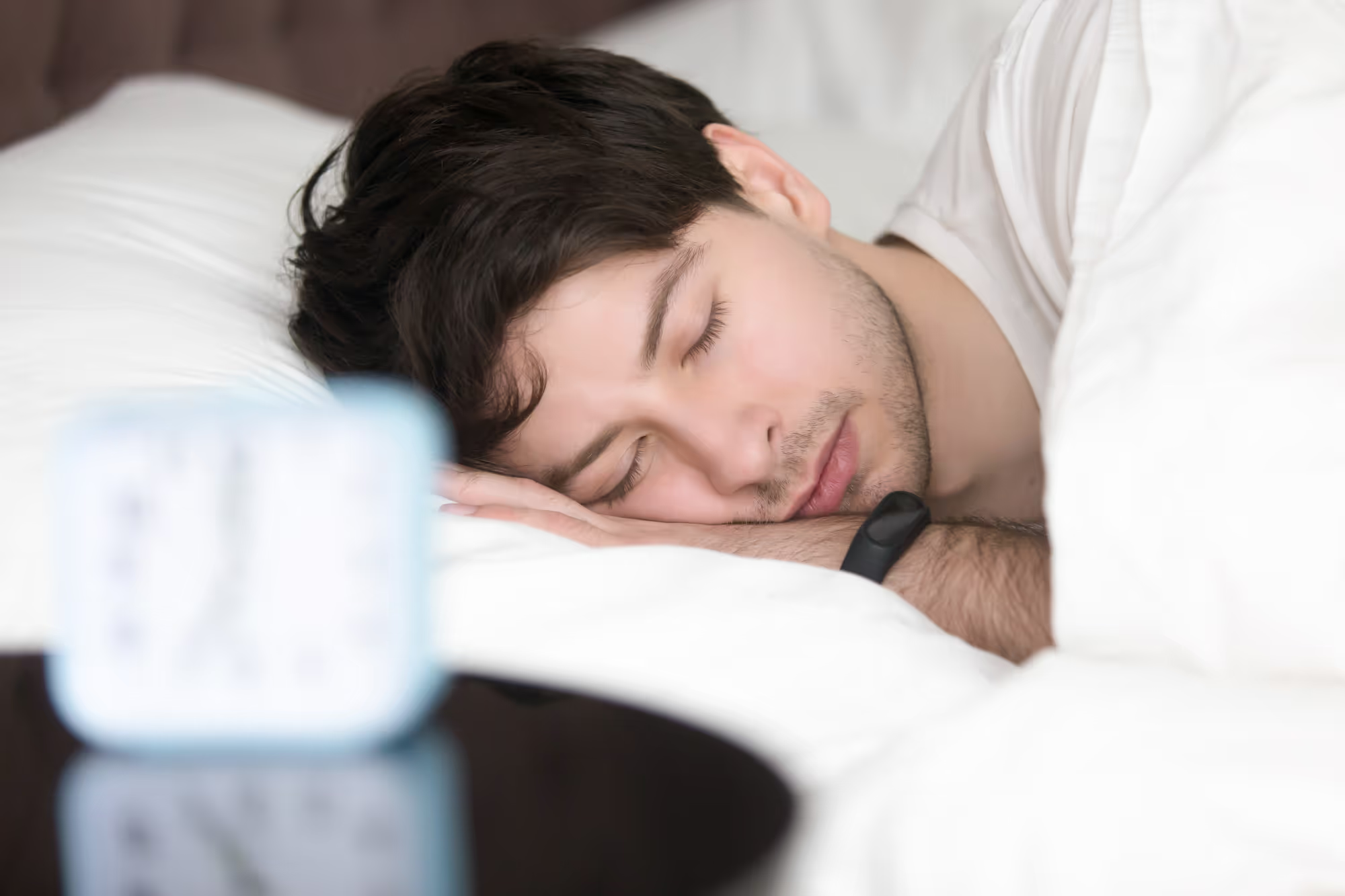
Peaceful sleep representing low testosterone and sleep apnea relief

Low Testosterone and Sleep Apnea: Break the Cycle for Better Sleep and Health

May 9th, 2025
1
Min Read

Article / Low Testosterone and Sleep Apnea: Break the Cycle for Better Sleep and Health

If you’re waking up tired, groggy, or just not yourself—even after spending the recommended 8-9 hours in bed—you may be dealing with more than just poor sleep. Sleep apnea and low testosterone frequently occur together, and they can create a frustrating health cycle that’s hard to break without targeted intervention.

In this article, we’ll explore how sleep apnea impacts testosterone, how low testosterone contributes to sleep problems and worsens apnea, and most importantly, what you can do to break this cycle and reclaim your energy, vitality, and sleep.

How Sleep Apnea Reduces Testosterone

Obstructive sleep apnea (OSA) causes your airway to become partially or completely blocked during sleep. This disrupts your breathing, causes frequent awakenings—even if you don’t remember them—and interferes with the critical stages of restorative sleep. (1)

Poor REM Sleep Reduces Testosterone Production

Most of a man’s daily testosterone is produced overnight, particularly during REM sleep. Studies have shown the highest levels occur after a full night of sleep at around 8 a.m. (2)

When REM sleep is interrupted, as it is frequently with sleep apnea, testosterone production drops. Over time, this disruption can lead to chronically low levels of testosterone, even in otherwise healthy men. One study showed that men who spent a week sleeping five or fewer hours per night saw a 10-15% drop in overall testosterone levels. (3)

Oxygen Deprivation Disrupts Hormonal Balance

When your oxygen levels dip repeatedly throughout the night, your body perceives this as a stress event. In response, it ramps up cortisol (the stress hormone), which has an inverse relationship with testosterone. Elevated cortisol suppresses natural testosterone production, throwing off your hormonal balance and setting the stage for fatigue, low mood, and poor recovery. (4)

Long-Term Sleep Fragmentation Causes Hormone Decline

Over months or years, this cycle becomes deeply ingrained. If you’re struggling with low testosterone sleep problems—such as waking up groggy, having trouble falling asleep, or experiencing low libido and poor mood—it might be time to consider whether undiagnosed sleep apnea is playing a role.

How Low Testosterone Worsens Sleep Apnea

The relationship between low T and sleep apnea isn’t one-directional. Low testosterone can actually increase your risk of developing or worsening existing sleep apnea symptoms in men, particularly those over 40. (5)

Weight Gain Worsens Sleep Apnea and Hormone Health

One of the hallmark symptoms of Low T is unwanted weight gain, particularly increased fat around the midsection and neck. This added tissue can press against your airway, especially when lying down, making it harder to breathe at night and increasing the chances of airway collapse.

Decreased Muscle Tone in the Airway

Testosterone plays a vital role in muscle maintenance, including the muscles that help keep your airway open at night. When testosterone levels drop, muscle tone in the throat and tongue weakens, increasing the likelihood of partial or complete airway obstruction.

Low Energy and Depression Reduce Activity

Low testosterone has also been linked with reduced physical activity and increased depressive symptoms. (6)  This drop in energy and motivation makes it harder to stick with healthy habits like exercise and weight control—both of which are important for managing sleep apnea. As a result, low T and sleep apnea reinforce each other in a damaging loop.

Signs You're Caught in the Sleep–Testosterone Cycle

Many men overlook the link between hormones and sleep. It’s not always easy to tell whether your symptoms are from sleep apnea, low testosterone, or both. However, the overlap between the two can create a distinct pattern. If you’re experiencing several of these symptoms, it may be time to get evaluated for sleep apnea and low T.

  • Loud snoring, choking, or gasping during sleep
  • Daytime sleepiness, brain fog, and lack of motivation
  • Weight gain, especially around the belly
  • Low libido, erectile dysfunction, and mood swings

Men with sleep apnea symptoms often don’t realize their testosterone levels are suffering—and vice versa. But when these signs appear together, they may point to an underlying cycle that needs to be addressed on both fronts.

How to Break the Cycle: Practical Solutions

Left untreated, sleep apnea and low testosterone feed into each other—sapping your energy, disrupting your mood, and draining your health. Addressing both conditions at once is the key to lasting improvement.

Start by getting a sleep study—either at home or in a lab—to find out if you’re dealing with obstructive sleep apnea. This will help confirm if you have obstructive sleep apnea and determine its severity. From there, treatments like CPAP (Continuous Positive Airway Pressure) can significantly improve oxygen flow, restore proper REM sleep, and support healthier testosterone levels naturally.

Additionally, small lifestyle adjustments can make a big difference. Prioritizing weight loss—especially if you carry extra fat around your neck or abdomen—can reduce airway blockage and improve hormone balance. Regular exercise is also key, as it not only helps control body fat but also boosts testosterone production and reduces sleep disruptions.

Managing stress is just as critical; high cortisol levels from chronic stress can suppress testosterone and make sleep problems worse. A consistent sleep schedule, good sleep hygiene, and limiting alcohol or sedative use at night can all contribute to deeper, more restorative rest. (7)

It’s also important to consider hormone testing. If you’re experiencing common symptoms like fatigue, low libido, brain fog, or mood changes, your testosterone levels might be playing a bigger role than you think.

For men with confirmed low testosterone, testosterone replacement therapy for sleep apnea-related symptoms may be part of the solution.

While testosterone therapy doesn’t directly cause sleep apnea, studies suggest that in some men, especially those with untreated severe OSA, it can worsen breathing disruptions during sleep. That’s why sometimes a sleep study is recommended before starting TRT if symptoms of apnea are present.

Gameday Men’s Health offers fast, accurate testosterone testing to help identify hormone imbalances early and offer clear next steps to improve your overall health.

Why Sleep and Hormones Are Closely Linked

Left unchecked, sleep apnea and low testosterone create a destructive feedback loop that drains your energy, disrupts your mood, and affects nearly every aspect of your health. The good news is that breaking the cycle can unlock the potential for real, substantial change.

By improving your sleep, balancing your hormones, and adopting a healthier lifestyle, you can regain energy and motivation, sleep better, and wake up refreshed. It can also help you improve your physique and confidence and feel more connected in your relationships.

Don’t wait for the symptoms to get worse. If you believe there is a connection between your sleep and testosterone, get tested, explore your treatment options, and take the first step toward breaking the cycle—for better sleep, stronger hormones, and a better life.

How Gameday Men’s Health Can Help You Break the Cycle

At Gameday Men’s Health, we take a personalized, science-backed approach to optimizing men’s wellness. Our clinics are designed for comfort, discretion, and efficiency—helping you get the care you need without the hassle.

Here’s what sets us apart:

  • Customized Hormone Evaluations and TRT Plans: We don’t guess what the best treatment is or deliver a one-size-fits-all solution. We test your hormone levels and tailor your treatment to your body’s exact needs.
  • Men’s Health Expertise: We focus solely on men’s wellness, with services designed to enhance energy, performance, and longevity.
  • Whole-Health Approach: From sleep quality to sexual health to vitamin injections, our goal is to help you feel like your best self again.
  • Convenient Locations Nationwide: Gameday clinics are available across the U.S., making it easy to get started no matter where you are.

Feeling tired and frustrated? Break the cycle. Schedule your free consultation today.

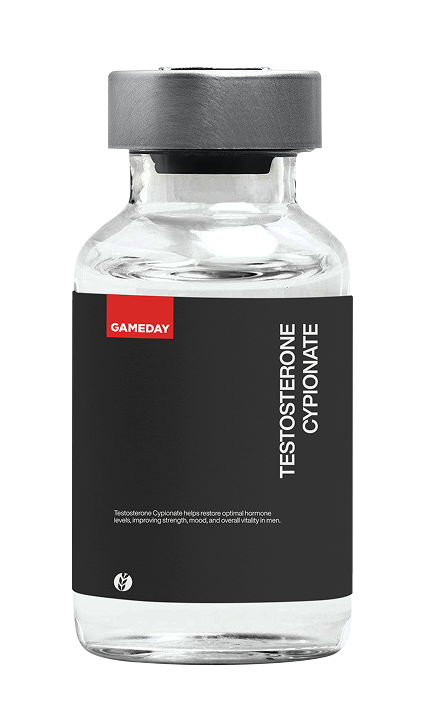
Close-up of a bottle of Testosterone Cypionate, a long-acting injectable testosterone medication prescribed to men seeking to restore hormone balance, energy, and vitality at Gameday Men's Health.
Steady Support
Strength
Best Seller

Testosterone Cypionate Injections

Testosterone Cypionate provides long-acting hormone support through periodic injections that maintain steady testosterone levels. This option enhances muscle strength, bone health and overall vitality. Beneficial for men with confirmed hormone deficiency and performance-focused goals.

Read More...
SEE TREATMENT
SEE TREATMENT
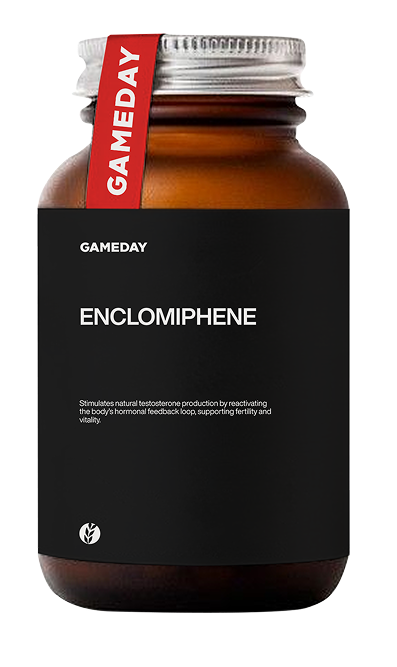
Enclomiphene oral prescription bottle used for testosterone support and fertility preservation at Gameday Men’s Health
Fertility
Hormone Balance
Best Seller

Enclomiphene

Enclomiphene is a prescription oral therapy that supports natural testosterone production by stimulating the body’s hormonal signaling pathways rather than replacing testosterone directly. By promoting luteinizing hormone (LH) release, enclomiphene helps restore testosterone levels while preserving fertility, making it a targeted option for men seeking hormone balance without testosterone injections.

Read More...
SEE TREATMENT
SEE TREATMENT
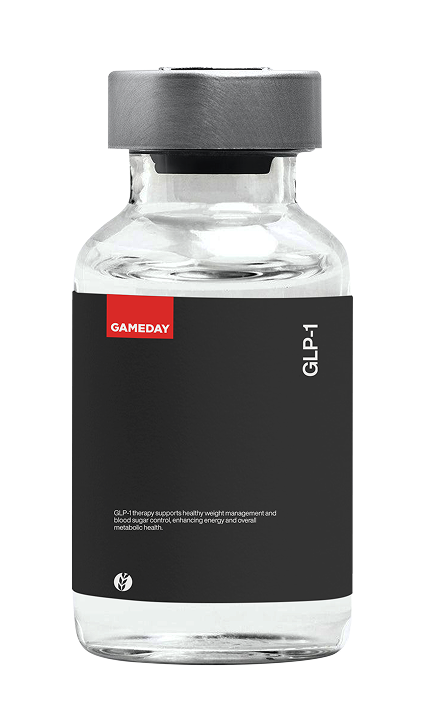
GLP-1 medication vial used for weekly weight loss injections at Gameday Men’s Health.
Balance
Best Seller

GLP-1 Medications

GLP-1 therapy supports appetite regulation and blood sugar control to help men achieve steady, sustainable weight loss and improved metabolic health. For men who have tried diet and exercise yet still struggle with excess weight or energy dips, GLP-1 offers a medically-supervised option that aligns with performance, wellness and hormonal balance.

Read More...
SEE TREATMENT
SEE TREATMENT
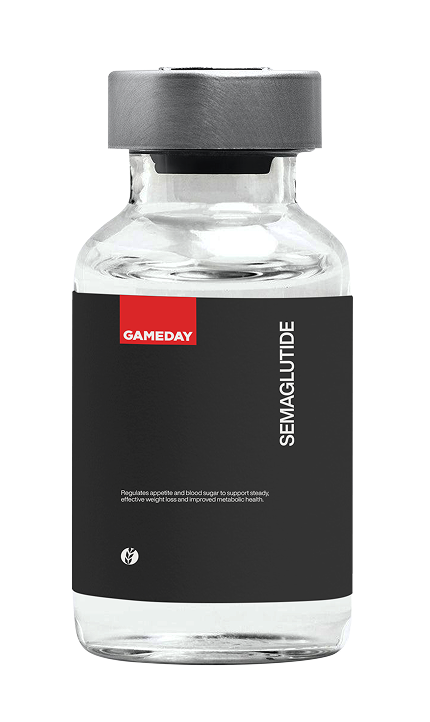
Semaglutide medication vial for medical weight-loss treatment at Gameday Men's Health.
Weight Loss
Appetite Control
Best Seller

Semaglutide

Semaglutide is a GLP-1 medication that helps reduce appetite, curb cravings, and improve metabolic function to support steady, sustainable weight loss. By slowing gastric emptying and improving insulin response, semaglutide makes it easier for men to stay consistent with nutrition and see meaningful progress. At Gameday Men’s Health, semaglutide is integrated into a personalized weight-management program designed to help men lose weight safely and effectively.

Read More...
SEE TREATMENT
SEE TREATMENT
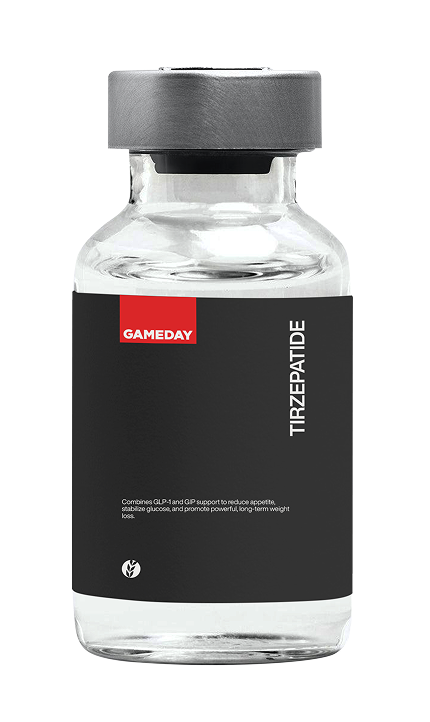
Gameday Men’s Health Tirzepatide injection vial designed for medical weight loss, appetite control, improved metabolic health, and long-term weight management support.
Metabolism Boost
Appetite Control
Best Seller

Tirzepatide

Tirzepatide GLP-1 is a dual-action metabolic therapy that supports weight control by improving insulin sensitivity, reducing appetite, and enhancing satiety. It helps regulate blood sugar levels and supports steady fat loss when combined with proper nutrition and lifestyle habits. This option is ideal for men seeking a guided, medically supervised approach to sustainable weight-management results.

Read More...
SEE TREATMENT
SEE TREATMENT
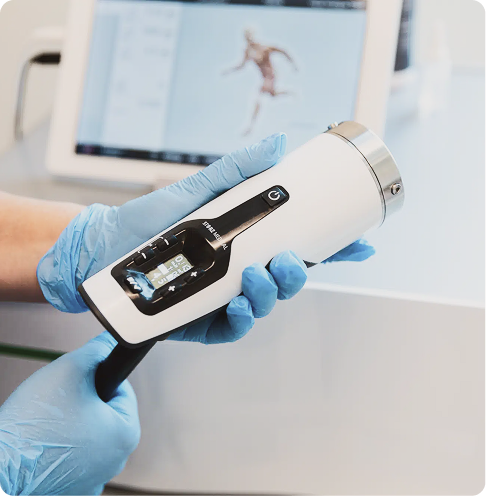
Close-up of a shockwave therapy device used in non-invasive erectile dysfunction treatment, designed to improve blood flow and stimulate new blood vessel growth at Gameday Men's Health.
Regeneration
Restoration
Best Seller

Shockwave Therapy for Erectile Dysfunction

Shockwave therapy for Erectile Dysfunction, uses low-intensity acoustic waves to stimulate new blood vessel growth and tissue regeneration. It’s a safe, non-invasive treatment that improves erectile function, sensation, and long-term performance without medication.

Read More...
SEE TREATMENT
SEE TREATMENT
Bottle of Vitamin B12 injection used for energy support and metabolic health at Gameday Men’s Health.
Energy
Best Seller

Vitamin B12 injections

Vitamin B12 injections help boost energy, improve focus and support metabolic health by delivering a potent dose of this essential nutrient directly into your bloodstream. At Gameday we use B12 to support red blood cell and nerve health in men who feel fatigued or need a reliable vitality boost.

Read More...
SEE TREATMENT
SEE TREATMENT
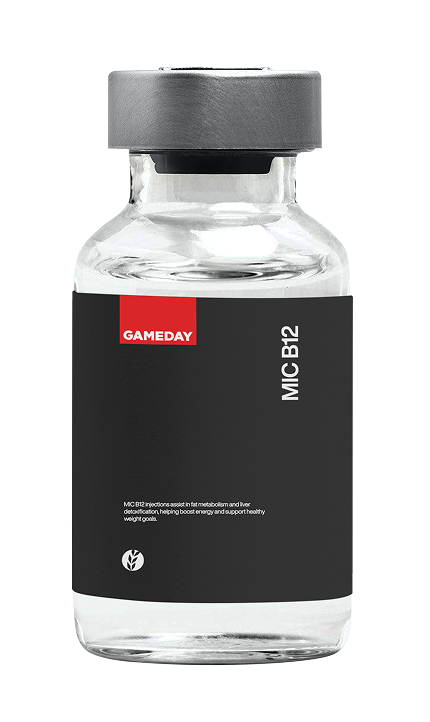
Vial of MIC B12 injection used for metabolism support and fat-burning treatment at Gameday Men’s Health.
Metabolism Boost
Best Seller

MIC B12 Injections

MIC B12 injections deliver key nutrients designed to support fat metabolism, improve liver function and enhance overall energy. Ideal for men who train hard, travel often or need an extra metabolic boost, this therapy complements your lifestyle and helps your body make the most of your effort.

Read More...
SEE TREATMENT
SEE TREATMENT
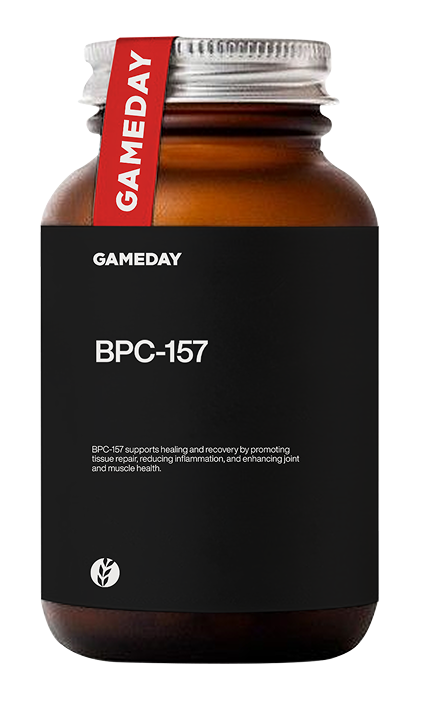
Oral BPC-157 peptide supplement bottle used in clinician-guided peptide therapy at Gameday Men’s Health
Joint Support
Best Seller

Oral BPC-157

BPC-157 supports tissue repair, reduces inflammation, and promotes recovery in muscles, tendons, and joints. It is ideal for men experiencing soreness, overuse injuries, or slowed recovery, helping restore comfort and mobility with guided clinical support.

Read More...
SEE TREATMENT
SEE TREATMENT
Fit man holding a Gameday Men's Health bottle, highlighting treatment options for boosting testosterone and supporting men’s wellness.Fit man holding a Gameday Men's Health bottle, highlighting treatment options for boosting testosterone and supporting men’s wellness.
Don’t Just Read About It,
Feel The Difference.
Thousands of men have already taken the first step toward stronger energy, better performance, and lasting confidence. The science is real — and the results speak for themselves. Ready when you are.

Related Articles

Man applying hair loss treatment to scalp while looking in mirror
Does Minoxidil Work? What Men Should Know About Hair Loss Treatment
Does minoxidil work for hair loss? Learn how this treatment supports hair growth, what results to expect, and how consistency affects outcomes.
Man receiving IV therapy in clinic while seated and monitored
NAD+ Injection Side Effects: What to Know Before Treatment
Learn about possible NAD+ injection side effects, how the therapy works, and what men should know before considering NAD+ wellness treatments.
Man examining thinning hair in mirror at home
Hair Loss and Hair Thinning: What’s the Difference?
Learn the difference between hair loss and hair thinning, common causes in men, and treatment options including PRP therapy, minoxidil, and finasteride.
Man receiving IV therapy treatment in a medical clinic
NAD+ Injections Benefits: What Men Should Know
Discover potential benefits of NAD+ injections, how NAD+ supports cellular energy, and why this therapy is gaining attention in men’s wellness care.
Doctor discussing treatment options with male patient in clinic
Testosterone Pellets vs Injections: What’s the Difference?
Learn the differences between testosterone pellets and injections, how each form of TRT works, and which option may suit your lifestyle and treatment goals.
Man standing near a wall in a thoughtful pose, representing awareness and considerations around finasteride side effects
Finasteride Side Effects: What to Expect
Learn about potential finasteride side effects, how the medication works, and what men should know when considering treatment for hair loss.
Medical professional checking scalp and hairline during consultation, illustrating how finasteride may support hair restoration
Does Finasteride Regrow Hair? What Men Should Know
Does finasteride regrow hair? Learn how this treatment works, what results to expect, and how it supports men experiencing hair loss.
Man looking closely in the mirror as he notices early hair loss and thinning at the hairline.
How to Prevent Hair Loss in Men
Learn how to prevent hair loss in men, what causes thinning hair, and which treatments can help slow loss and support regrowth.
Thoughtful man sitting and reflecting, representing concerns and potential side effects associated with minoxidil use
Minoxidil Side Effects: What to Know Before Using It
Learn about common and potential minoxidil side effects, why they occur, and what men should know before starting this popular hair loss treatment.
Man looking at his hair in the mirror, representing comparison between minoxidil vs finasteride treatments for hair loss and regrowth
Minoxidil vs Finasteride: What’s the Difference?
Compare minoxidil vs finasteride, including how each works, differences in treatment approach, potential side effects, and what men should know about hair loss options.
Doctor holding a syringe during medical consultation, representing clinical administration and explanation of how semaglutide treatment works
How Does Semaglutide Work? A Clear Explanation
How does semaglutide work for weight management? Learn how this GLP-1 medication affects appetite, metabolism, and blood sugar — and why medical guidance matters
Vitamin B12 supplements and capsules with letter B labeling, illustrating dosage and supplementation considerations for maintaining healthy B12 levels
How Much Vitamin B12 Should I Take?
How much vitamin B12 should you take daily? Learn recommended dosages, when higher doses are needed, and why testing matters before supplementing.